📞  — free, 24/7
— free, 24/7 — free, 24/7| Package | Price per Dose | Price | |
|---|---|---|---|
| 360 pills | NZ$2.11 | NZ$1,086.58 NZ$760.61 Free shipping | |
| 180 pills | NZ$2.30 | NZ$590.61 NZ$413.43 Free shipping | |
| 120 pills | NZ$2.52 | NZ$432.80 NZ$302.96 | |
| 90 pills | NZ$2.71 | NZ$347.14 NZ$242.99 | |
| 60 pills | NZ$3.03 | NZ$261.47 NZ$183.03 | |
| 30 pills | NZ$3.60 | NZ$153.26 NZ$107.28 | |
| 360 pills | NZ$4.23 | NZ$2,173.21 NZ$1,521.25 Free shipping | |
| 180 pills | NZ$4.54 | NZ$1,167.74 NZ$817.42 Free shipping | |
| 120 pills | NZ$4.99 | NZ$856.63 NZ$599.64 Free shipping | |
| 90 pills | NZ$5.30 | NZ$680.79 NZ$476.55 Free shipping | |
| 60 pills | NZ$5.52 | NZ$473.38 NZ$331.37 | |
| 30 pills | NZ$5.90 | NZ$252.45 NZ$176.71 | |
| 10 pills | NZ$6.60 | NZ$94.64 NZ$66.25 |
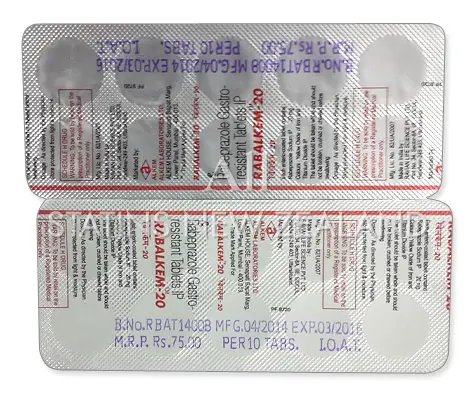
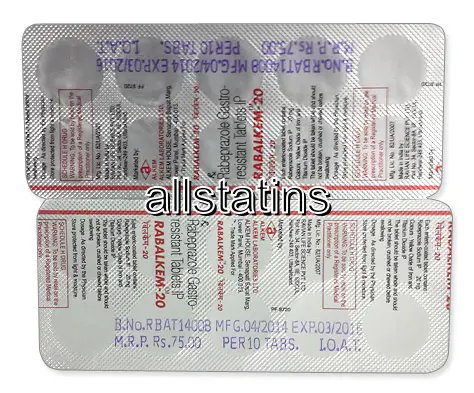
Rabeprazole is a medication widely used to manage conditions related to excessive stomach acid production. It belongs to the class of drugs known as proton pump inhibitors (PPIs). These drugs work by blocking the enzyme system responsible for secreting gastric acid in the stomach. As a result, Rabeprazole effectively reduces acid levels, helping to alleviate symptoms and promote healing of various gastrointestinal disorders.
Rabeprazole is primarily prescribed for conditions such as gastroesophageal reflux disease (GERD), where stomach acid frequently backflows into the esophagus, causing discomfort and potential injury. It is also used in treating erosive esophagitis, a condition characterized by inflammation and damage to the esophagus lining due to acid reflux. Additionally, Rabeprazole helps in managing Zollinger-Ellison syndrome, a rare disorder causing excessive acid secretion. Its ability to substantially lower gastric acid makes it effective in preventing and treating ulcers, especially those caused by long-term use of nonsteroidal anti-inflammatory drugs (NSAIDs).
Typically, Rabeprazole is available in tablet form, and the dosage depends on the condition being treated. It is usually taken once daily before a meal, ideally in the morning. For some diseases, your doctor may recommend a different dosing schedule. It is important to follow the prescribed dosage and not to alter it without medical advice. Swallow the tablet whole with water, and do not crush or chew it, as this could affect its effectiveness. Consistency in taking the medication at the same time each day enhances its efficacy.
Many patients report significant relief from symptoms such as heartburn, chest pain, and indigestion after starting Rabeprazole. Its quick onset and reliable acid suppression contribute to its popularity. Patients often notice an improvement within a few days, with some experiencing complete symptom relief in a week. Reviews generally highlight the medication's effectiveness in healing ulcers and reducing reflux episodes. However, some users mention mild side effects like headaches, nausea, or abdominal discomfort, which usually resolve on their own or with dose adjustment.
Though Rabeprazole is considered safe when used as directed, it can cause side effects in some individuals. Common adverse reactions include diarrhea, constipation, dizziness, or fatigue. Serious but rare side effects may involve allergic reactions, severe diarrhea caused by Clostridium difficile, or signs of vitamin B12 deficiency with long-term use. Patients should inform their doctor if they experience persistent or severe side effects. It is also important to mention any other medications being taken, as Rabeprazole can interact with drugs such as warfarin or certain antifungals.
While Rabeprazole is effective for short-term treatment, long-term use should be under strict medical supervision. Prolonged suppression of gastric acid can lead to nutrient absorption issues, bone fractures, or increased susceptibility to gastrointestinal infections. Regular monitoring and periodic assessment are recommended for individuals on extended therapy. Before starting Rabeprazole, discussing your medical history with a healthcare provider can help determine the safest and most effective treatment plan.
14–21 days. Free from NZ$351.86 .
5–9 days. NZ$52.78
−10% when paying with cryptocurrency.
−10% on all repeat orders.
All orders are packed in neutral, unbranded boxes with no product name on the outside.