📞  — free, 24/7
— free, 24/7 — free, 24/7Treatments and aids for migraine relief and prevention, including OTC pain relievers, prescription acute options (triptans, antiemetics), preventive medications, supplements, topical products and non-drug supports for managing pain, nausea and sensitivity to light or sound.
Treatments and aids for migraine relief and prevention, including OTC pain relievers, prescription acute options (triptans, antiemetics), preventive medications, supplements, topical products and non-drug supports for managing pain, nausea and sensitivity to light or sound.
Migraine medications are treatments used to relieve or reduce the frequency of migraine attacks, a type of recurring headache disorder that often involves intense head pain, sensitivity to light and sound, and sometimes nausea or visual disturbances. Products in this category address different phases of migraine care: some are taken at the first signs of an attack to stop or shorten it, while others are used regularly to lower how often attacks occur. The range spans short-term symptom relief to longer-term preventive approaches.
Short-term or "acute" therapies are intended to treat an attack once it starts and can work in minutes to hours. These are commonly taken orally, as nasal sprays, or by injection when rapid relief is needed. Acute options are typically selected based on how quickly pain relief is required, whether nausea affects the ability to swallow oral medication, and the individual’s other health conditions. Symptom control often focuses on reducing pain intensity, nausea, and light or sound sensitivity associated with an episode.
Preventive or prophylactic medicines are aimed at people who experience frequent or disabling migraine attacks and are taken on a regular schedule to lower attack frequency, severity, or duration. Preventive choices include several classes of drugs originally developed for other conditions but found helpful for migraine. These options are considered when attacks occur multiple times per month or when acute treatments are ineffective or contraindicated. Preventive therapy is usually evaluated over weeks to months to judge effectiveness.
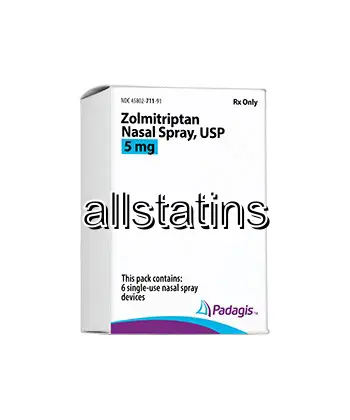
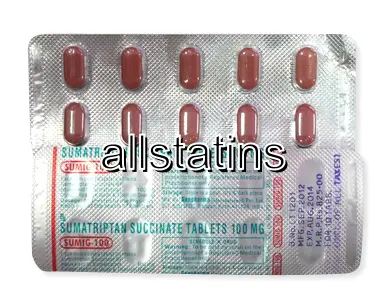
The category contains several medication classes that work through different mechanisms. Triptans such as sumatriptan, rizatriptan, zolmitriptan and eletriptan are commonly used for moderate to severe migraine attacks. Simple analgesics and anti-inflammatory painkillers like paracetamol (acetaminophen), ibuprofen and naproxen can be effective for milder attacks or in combination with other agents. Antiemetics used to control nausea, such as metoclopramide or domperidone, are often included. For prevention, medicines such as propranolol, topiramate, amitriptyline and certain anticonvulsants are frequently prescribed. Newer options targeting the calcitonin gene-related peptide (CGRP) pathway and oral small-molecule agents known as gepants (for example rimegepant, ubrogepant) are increasingly used for prevention or acute treatment depending on the product.
Safety and tolerability vary across the medicines in this group. Common side effects reported with many agents include drowsiness, dizziness, dry mouth and gastrointestinal upset, while some migraine-specific drugs can have cardiovascular considerations or interact with other medications. Route of administration influences onset and side effect profiles; for instance, injectable or nasal options may act faster but have different tolerability characteristics than oral tablets. Individual factors such as other health conditions, age, pregnancy status and concomitant medications influence which options are appropriate.
When users browse this category they commonly look for fast-acting acute remedies, options that are easy to take during nausea, preventive treatments to reduce attack frequency, and medicines with tolerable side effect profiles. Many also compare drug classes to understand how quickly relief is expected, whether a prescription is needed, and which formulations are available such as tablets, dissolving tablets, nasal sprays or injectables. Information about typical active ingredients and how they are generally used helps shoppers narrow choices while decisions about suitability and exact treatment plans are usually made with a healthcare professional.