📞  — free, 24/7
— free, 24/7 — free, 24/7| Package | Price per Dose | Price | |
|---|---|---|---|
| 360 pills | NZ$1.77 | NZ$901.72 NZ$631.21 Free shipping | |
| 180 pills | NZ$2.34 | NZ$599.63 NZ$419.74 Free shipping | |
| 120 pills | NZ$2.62 | NZ$450.84 NZ$315.59 | |
| 90 pills | NZ$2.97 | NZ$383.21 NZ$268.24 | |
| 60 pills | NZ$3.38 | NZ$288.52 NZ$201.96 | |
| 30 pills | NZ$3.88 | NZ$166.78 NZ$116.75 | |
| 180 pills | NZ$3.41 | NZ$879.18 NZ$615.42 Free shipping | |
| 120 pills | NZ$3.91 | NZ$671.77 NZ$470.24 Free shipping | |
| 90 pills | NZ$4.32 | NZ$554.59 NZ$388.21 Free shipping | |
| 60 pills | NZ$4.83 | NZ$414.77 NZ$290.34 | |
| 30 pills | NZ$5.46 | NZ$234.41 NZ$164.09 | |
| 180 pills | NZ$4.04 | NZ$1,036.99 NZ$725.89 Free shipping | |
| 120 pills | NZ$4.51 | NZ$775.47 NZ$542.83 Free shipping | |
| 90 pills | NZ$5.11 | NZ$658.24 NZ$460.77 Free shipping | |
| 60 pills | NZ$5.68 | NZ$486.91 NZ$340.84 | |
| 30 pills | NZ$6.41 | NZ$274.99 NZ$192.50 |
Disclaimer: This page provides general information about Medrol Active (methylprednisolone) for residents of New Zealand. It does not replace medical advice. Always follow the instructions of your doctor or pharmacist and check the official patient leaflet for detailed information.
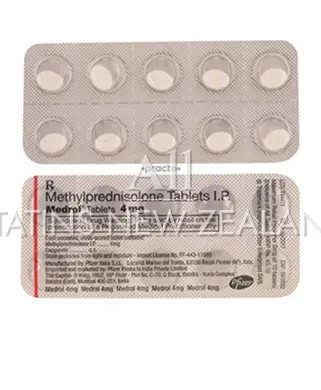
Medrol Active is a brand name for methylprednisolone, a corticosteroid used to reduce inflammation and dampen the body’s immune response in many conditions. In New Zealand, whether a prescription is required may depend on local rules and the form of the medicine you are receiving.
The medicine can help with a wide range of inflammatory and immune-related problems. It may be prescribed to treat conditions affecting the joints, skin, lungs, eyes, and many other organs. Your clinician will decide if Medrol Active is appropriate for your situation.
Because it acts on many parts of the body, the effects of Medrol Active can vary between people. Some people notice improvements in symptoms within days, while others may need longer to experience meaningful relief. Your clinician will plan how long you should take it and how to adjust the treatment if needed.
Medrol Active should be used under medical supervision, especially if you are taking other medicines or have ongoing health conditions. Long-term or high-dose use can increase the risk of side effects. Talk with your clinician about the benefits and risks for you, and follow their directions closely.
If you have a history of infections, diabetes, high blood pressure, osteoporosis, stomach ulcers, or mental health concerns, share this with your healthcare provider. These conditions can influence how Medrol Active is used and monitored in your care. Always store medications as advised and keep them out of reach of children.
Important note: This information is intended as a general guide. It does not replace the official product information or personalised medical advice. If you are uncertain about any aspect of your treatment, consult your doctor or pharmacist.
Medrol Active is used to treat a variety of inflammatory and autoimmune conditions. It can help reduce swelling, redness, and irritation in affected tissues. The exact use depends on the individual diagnosis and treatment plan developed by your clinician.
Common situations where Medrol Active may be prescribed include flare-ups of autoimmune diseases, allergic reactions that are severe or not well controlled by other medicines, and certain skin, eye, or lung conditions. It may also be used as part of a broader treatment plan to manage symptoms or prevent relapses.
Medrol Active is not a painkiller or antibiotic, and it should not be used to treat infections unless directed by a clinician. It is not a cure for disease, but it can help manage symptoms when used as part of a comprehensive treatment plan. Your clinician will determine whether this medicine fits with other therapies you are receiving.
Your clinician may use Medrol Active in short courses or as part of a tapering strategy to minimize side effects. The decision depends on the specific condition, the severity of symptoms, and how your body responds to treatment. Always follow the dosing and duration prescribed by your healthcare professional.
It is helpful to understand that different forms and strengths of the medication may be available. Always use the exact product prescribed for you and do not switch products without medical guidance. If you have questions about the form you were given, ask your pharmacist for clarification.
Before starting Medrol Active, share any other medicines you take, including over-the-counter drugs and supplements. Some medicines can interact with Medrol Active or affect how well it works. Your clinician will assess potential interactions and adjust your plan if needed.
Methylprednisolone belongs to the class of medicines called corticosteroids. It works by reducing the activity of the immune system and lowering inflammatory signals in the body. This helps to lessen swelling, irritation, and other symptoms caused by inflammation.
The exact mechanism involves changes in how certain genes are turned on or off inside cells. By modulating these signals, Medrol Active decreases the production of substances that drive inflammation. The result can be relief of symptoms such as pain, stiffness, itching, and redness in the affected areas.
Because the drug affects many parts of the body's inflammatory pathways, the time to noticeable improvement can vary by condition and individual. Some people feel better within a few days; others may take longer to observe meaningful changes. Your clinician will guide expectations based on your diagnosis.
As with other corticosteroids, the benefits of Medrol Active come with the potential for side effects, especially with longer use or higher doses. Your healthcare team will monitor your response and adjust the treatment plan if needed. If you notice new or worsening symptoms, contact your doctor promptly.
In New Zealand, clinicians consider factors such as other medicines you take, your blood pressure, blood sugar, and bone health when deciding how to use Medrol Active. The goal is to balance symptom control with minimising risks. Regular follow-up is often part of a safe treatment plan.
If you have questions about how Medrol Active works for your specific condition, speak with your clinician or pharmacist. They can provide information tailored to your health needs and medical history.
Medrol Active is typically taken by mouth as a tablet. The exact dosing and duration will be determined by your clinician and may change during treatment based on your response. Do not adjust the dose yourself without medical advice.
Take Medrol Active with a full glass of water. It can be taken with or without food, but taking it with food may help reduce stomach upset in some people. If you experience stomach discomfort, talk to your pharmacist about possible methods to lessen this effect.
Take the medicine exactly as prescribed. If you are unsure about how to take it, ask your pharmacist to explain the dosing schedule and any timing considerations. Skipping doses or taking extra doses without guidance can affect treatment and safety.
If you miss a dose, do not double up. Take the next dose at the usual time unless you are advised otherwise by your clinician. If you are not sure what to do after a missed dose, contact your healthcare provider for guidance.
Do not stop taking Medrol Active suddenly unless advised by your clinician. A gradual reduction in dose is often needed to avoid withdrawal symptoms or a flare of the underlying condition. Your doctor or pharmacist can outline a tapering plan if needed.
If you are taking multiple medicines, keep a current list and share it with your pharmacist or doctor. Some medicines may require timing adjustments or monitoring while you are on Medrol Active. Regular reviews help ensure the plan remains appropriate for you.
Do not use Medrol Active if you have a known allergy to methylprednisolone, other corticosteroids, or any ingredient in the tablet. An allergic reaction could be serious. Seek immediate medical help if you notice signs of a severe reaction after taking the medicine.
If you have an active serious infection, talk to your clinician before starting Medrol Active. Corticosteroids can mask symptoms of infection and may affect the body’s ability to fight infections. Your doctor will assess the risks and determine the best approach for you.
Vaccinations may be affected while taking corticosteroids. Some vaccines could be less effective, and certain live vaccines may pose additional risk. Discuss vaccination plans with your clinician if you are taking Medrol Active.
Caution is advised if you have diabetes, high blood pressure, ulcers in the stomach or intestines, osteoporosis, or certain mental health conditions. Your clinician will weigh potential benefits against risks and may arrange monitoring or supportive measures.
Children, elderly individuals, and people with a history of kidney or liver problems should be monitored closely. The clinician may adjust dosing and schedule based on age, weight, and overall health. If you are pregnant or planning a pregnancy, or if you are breastfeeding, discuss this with your health professional before starting therapy.
If you are unsure whether Medrol Active is suitable for you, or if your health status has changed, speak with your doctor or pharmacist for personalised guidance before continuing treatment.
Long-term use or high doses of Medrol Active can increase the risk of side effects. Your clinician will aim to balance symptom relief with safety. Regular follow-up appointments and tests may be planned to monitor your health during treatment.
There is a potential for increased blood sugar levels, especially in people with diabetes or those at risk of diabetes. Your clinician may monitor blood sugar and adjust treatment plans as needed. Lifestyle advice and testing can help manage this risk.
Corticosteroids can raise blood pressure or cause fluid retention in some people. If you notice swelling, higher blood pressure readings, or related symptoms, contact your clinician. They may adjust dosing or recommend supportive care.
Bone health can be affected with long-term corticosteroid use. If you are at risk of osteoporosis, your clinician may suggest calcium or vitamin D supplementation, lifestyle changes, or other preventive measures. They may also assess for fracture risk periodically.
Infection risk increases with immune suppression. If you develop a fever, look for signs of infection, or feel unusually unwell, seek medical advice promptly. Do not rely on self-care alone if you suspect an infection.
Stomach irritation or ulcers can occur with steroid tablets. Take Medrol Active with food if you experience stomach upset, and discuss protective strategies with your clinician if you have a history of ulcers. Do not take nonsteroidal anti-inflammatory drugs (NSAIDs) without medical guidance while on corticosteroids.
Tell your clinician about all medicines you use, including herbal or dietary supplements. Some substances can interact with Medrol Active and affect treatment outcomes. In case of uncertainty, ask for a drug interaction check from your pharmacist.
Like many medicines, Medrol Active can cause side effects. Some are mild and temporary, while others may require medical attention. Your clinician will discuss which side effects to watch for based on your health status.
Common, usually mild side effects include increased appetite, weight gain, indigestion, and trouble sleeping. If these persist or become bothersome, talk to your pharmacist or doctor for advice.
You may notice mood changes such as irritability or restlessness, especially when starting therapy or making changes to the dose. If mood symptoms become severe or distressing, contact your clinician for guidance.
Other possible effects include acne, sweating, or thinning of the skin. Some people may experience facial swelling, acne, or slowed wound healing. These changes often reverse after stopping the medication or adjusting the dose under medical supervision.
More serious but less common side effects can include signs of infection, severe stomach pain, vision changes, frostiness or confusion, or swelling of the ankles and feet. Seek urgent medical help if you notice any of these symptoms or other concerning effects.
Long-term use can be linked to bone thinning, cataracts, glaucoma, high blood sugar, and high blood pressure in some people. Your clinician may implement monitoring plans to detect these effects early and manage them appropriately.
Some medicines can interact with Medrol Active and change how it works or increase side effects. Always tell your clinician about all medicines you take, including over-the-counter products and supplements.
Nonsteroidal anti-inflammatory drugs (NSAIDs) and steroids can increase the risk of stomach irritation or bleeding. If you use NSAIDs regularly, your clinician may adjust therapy or recommend protective measures. Do not take NSAIDs without professional advice while using Medrol Active.
Medrol Active can interact with medicines that affect potassium or salt balance, certain diabetes medicines, and vaccines. Your clinician will review your full list of medicines and determine any needed adjustments or monitoring.
Some antifungal and antibiotic medicines, including certain prescription and over-the-counter products, may interact with methylprednisolone. If you start or stop any such medicines during treatment, inform your healthcare provider promptly.
Herbal products and supplements, including St John’s wort, can affect methylprednisolone levels in the body. If you are considering taking any supplement, discuss it with your pharmacist or doctor before starting. They can help assess potential interactions.
In general, do not start any new medicines while on Medrol Active without consulting your clinician. They can advise whether a change is safe and appropriate for your treatment plan.
Pregnancy planning and timing are important when taking corticosteroids. Medrol Active should be used in pregnancy only if clearly needed and prescribed by your clinician. The benefits and potential risks for the baby and mother will be weighed carefully.
Discuss with your obstetrician or midwife if you are pregnant or planning pregnancy during treatment. Your clinicians can provide guidance on monitoring and any dose adjustments that may be appropriate.
About breastfeeding: methylprednisolone passes into breast milk in small amounts. If you are breastfeeding, talk to your clinician about the risks and benefits of continuing therapy. They can help determine the safest approach for you and your baby.
If you become pregnant while taking Medrol Active, seek medical advice promptly. Do not discontinue treatment without guidance from your clinician, as stopping may impact the underlying condition being treated.
Below are common questions people have about Medrol Active. The answers are general and are not a substitute for personalised medical advice. For any health concerns, consult your doctor or pharmacist.
Medrol Active may require a prescription depending on local rules in New Zealand. Always follow the advice of your healthcare professional and the official product information.
For many conditions, symptoms may begin to improve within a few days to a couple of weeks. The speed of improvement varies with the condition being treated and the dose used. If you do not notice any improvement after a longer period, contact your clinician for guidance.
In some cases, partial relief may occur early, with additional improvements as treatment continues. Do not adjust the dose or stop the medicine without consulting your clinician.
If you miss a dose, do not double up unless instructed by your healthcare provider. Take the missed dose as soon as you remember, unless it is nearly time for your next dose. If you are unsure what to do, contact your clinician or pharmacist for advice.
Establishing a routine and setting reminders can help prevent missed doses. Do not create extra doses to “make up” for a missed one.
Many medicines can be used together with Medrol Active, but some combinations require caution or monitoring. Always tell your doctor about every medicine you take, including supplements and herbal products.
Your clinician will review potential interactions and adjust recommendations if needed. Do not start or stop other medicines without professional advice.
Contact your doctor if you notice signs of an infection, a serious allergic reaction, severe stomach pain, vision problems, or new or worsening symptoms. Seek urgent medical help if you have trouble breathing or swelling of the face or throat.
Also contact your clinician if you experience significant mood changes, unusually high blood pressure, or unexplained weight gain that concerns you.
Medication in pregnancy should be used only when clearly needed. The decision involves weighing the benefits to the mother against potential risks to the baby. Always discuss with your obstetrician or midwife before and during treatment.
Breastfeeding decisions should also be discussed with a clinician, because methylprednisolone can pass into breast milk. Seek tailored guidance based on your health needs.
Medrol Active can influence blood sugar and blood pressure in some people. If you have diabetes or hypertension, your clinician may monitor these parameters and adjust treatment as needed. Regular check-ins help manage these risks.
Maintain a healthy lifestyle and report any noticeable changes to your healthcare provider. They can offer strategies to help manage these potential effects.
Duration varies widely depending on the condition and response to treatment. Some courses are short-term, while others may require longer use under supervision. Do not modify the duration of therapy without consulting your clinician.
Ongoing assessments are common to determine whether to continue, taper, or stop treatment. Your doctor will guide you through any changes to the plan.
There are no universal dietary restrictions, but some people experience stomach discomfort. Taking the tablet with meals can help. Your clinician may provide guidance based on your health needs.
Physical activity and sleep should be managed as part of overall health. If you notice unusual side effects that affect daily life, discuss them with your healthcare team.
Corticosteroids are prescribed with caution in children. Dose and duration are tailored to the child’s weight, age, and medical condition. Growth concerns can arise with long-term use, so close monitoring is important.
Parents or caregivers should report any changes in behavior, appetite, or growth to the child’s clinician promptly. Regular follow-ups help ensure safe use in paediatric patients.
Alcohol may increase some side effects such as stomach irritation or sleep disturbances. It is prudent to limit alcohol intake and discuss drinking plans with your clinician if you are taking Medrol Active.
Follow your clinician’s advice regarding any restrictions related to alcohol, especially if you have other health conditions or are taking multiple medications.
If you suspect an interaction or experience an adverse reaction, contact your clinician or pharmacist promptly. Seek urgent medical help if you have signs of a severe allergic reaction or a dangerous side effect.
Keep an up-to-date list of your medications and share it with every healthcare provider you see. This helps prevent interactions and ensures coordinated care.
Official patient information leaflet provided with Medrol Active contains specific instructions for your product and country. This page is intended to supplement that information and is not a substitute for professional advice.
Your best source for personalised guidance is your doctor, pharmacist, or qualified healthcare professional. They can explain how Medrol Active applies to your health history, current treatments, and NZ regulations.
For NZ residents, local guidance from pharmacists and doctors takes into account national safety standards and the availability of formulations. If you have questions about prescription status, supply, or alternatives, discuss them with your healthcare team.
If you need more detail about methylprednisolone or its use in your condition, consult the official product information or speak with a pharmacist. They can help interpret this information in the context of your care. For emergencies, seek urgent medical help rather than waiting to speak with a clinician.
14–21 days. Free from NZ$351.86 .
5–9 days. NZ$52.78
−10% when paying with cryptocurrency.
−10% on all repeat orders.
All orders are packed in neutral, unbranded boxes with no product name on the outside.