📞  — free, 24/7
— free, 24/7 — free, 24/7Products for urinary tract and bladder health, including UTI symptom relief, prevention supplements like cranberry and D-mannose, urinary pain and irritation remedies, probiotics, and bladder control and hygiene items to support urinary comfort and function.
Products for urinary tract and bladder health, including UTI symptom relief, prevention supplements like cranberry and D-mannose, urinary pain and irritation remedies, probiotics, and bladder control and hygiene items to support urinary comfort and function.
Medications grouped under Urinary Health address a range of conditions that affect bladder function, urine flow and the lower urinary tract. These products are intended to reduce troublesome symptoms such as urgency, frequency, leakage, incomplete emptying and painful spasm. The category covers treatments directed at bladder muscle control, relaxation of urinary tract smooth muscle, and reduction of involuntary contractions that interfere with everyday activities.
Common reasons people use medicines in this area include overactive bladder and urge urinary incontinence, symptoms related to benign prostatic hyperplasia (BPH) in men, bladder spasms after surgery or catheter use, and neurogenic bladder dysfunction associated with neurologic conditions. Some agents are used to relieve acute spasmodic discomfort while others are part of longer-term management to improve continence and quality of life.
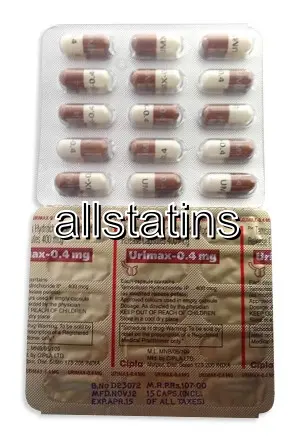
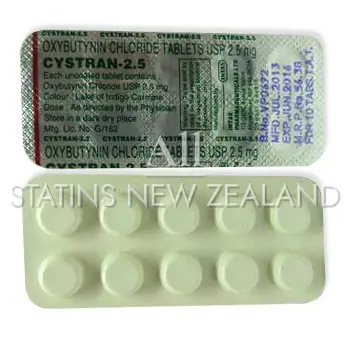
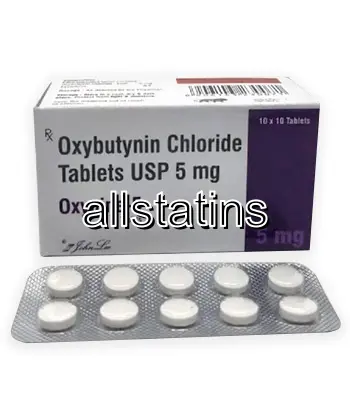
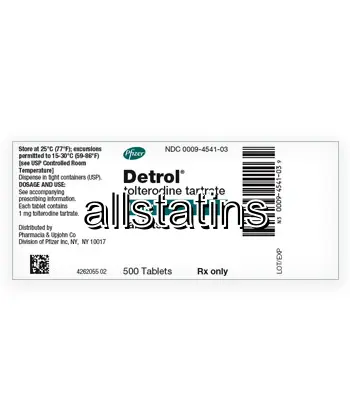
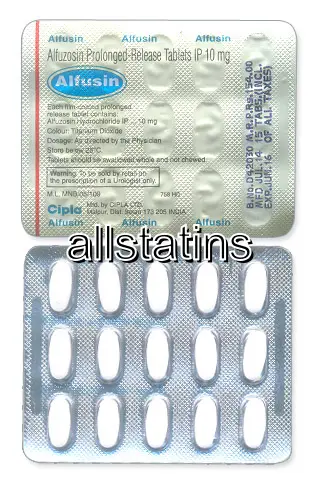
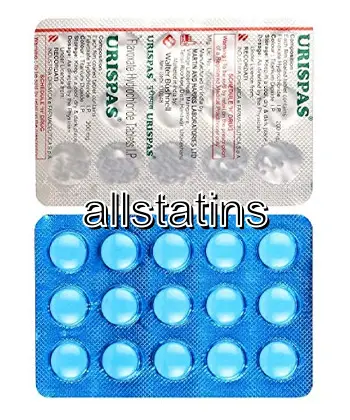
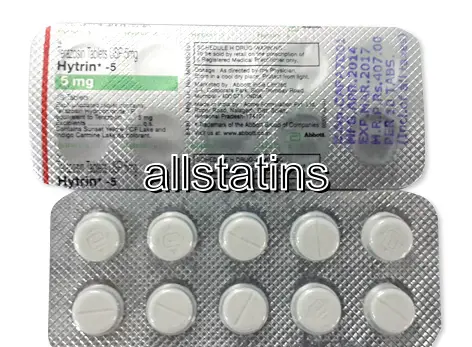
Several pharmacologic classes appear in this category. Antimuscarinic (anticholinergic) agents such as oxybutynin (e.g., Ditropan) and tolterodine (e.g., Detrol, Detrol LA) act on bladder receptors to reduce urgency and frequency; newer antimuscarinics like solifenacin (e.g., Vesicare) have similar aims with different side‑effect profiles. Patch formulations such as oxybutynin transdermal systems (e.g., Oxytrol) offer an alternative route of delivery. Alpha‑adrenergic blockers that relax smooth muscle in the prostate and bladder neck, including tamsulosin (e.g., Flomax), alfuzosin (e.g., Uroxatral) and terazosin (e.g., Hytrin), are commonly used for obstructive symptoms associated with enlarged prostate. Antispasmodic agents such as flavoxate (e.g., Urispas) are employed for bladder spasm and dysuria in some settings.
Medications in this category are available in a variety of formulations and dosing schedules to match different treatment goals. Immediate‑release tablets, extended‑release preparations intended for once‑daily dosing, and transdermal patches are among the options; some treatments are short‑term for flare management while others are prescribed for ongoing control. Choice of formulation affects onset and duration of effect, ease of use, and the pattern of side effects experienced by the patient.
General safety considerations include awareness of common adverse effects and potential interactions. Antimuscarinic agents commonly cause dry mouth, constipation and blurred vision, and may be less suitable for individuals with certain preexisting conditions; alpha‑blockers can cause dizziness or low blood pressure, particularly when standing. Drug interactions and age‑related sensitivity can influence tolerability, and some therapies may be contraindicated in people with particular health problems. Information about safety, side effects and suitability for a given medical history is an important part of selecting a therapy.
When evaluating medicines for urinary health, users typically weigh how well a product targets the specific symptom (for example urgency versus obstruction), how quickly it works, how long effects last, and what route of administration best fits daily life. Side effect profile, potential interactions with other medications, and whether monitoring such as blood pressure measurement or periodic assessment of urinary retention is needed are also frequently considered. Many options require a prescription, and the available formulations and classes allow treatment to be individualized according to symptom pattern and overall health considerations.