📞  — free, 24/7
— free, 24/7 — free, 24/7Bone-strengthening medications, supplements, and supportive products for osteoporosis management. Includes prescription and over-the-counter treatments such as bisphosphonates, calcium and vitamin D, selective estrogen modulators and hormone-related therapies, plus aids to help reduce fracture risk.
Bone-strengthening medications, supplements, and supportive products for osteoporosis management. Includes prescription and over-the-counter treatments such as bisphosphonates, calcium and vitamin D, selective estrogen modulators and hormone-related therapies, plus aids to help reduce fracture risk.
Osteoporosis is a condition in which bones become less dense and more prone to fracture, especially in older adults. Medications categorized under Osteoporosis are intended to influence bone metabolism, either by slowing the process that removes bone tissue or by promoting processes that build or strengthen bone. This grouping covers a range of pharmaceutical approaches rather than a single mechanism of action, and it is focused on reducing fracture risk and preserving functional mobility over time.
Common use cases for these medicines include prevention of bone loss after menopause, treatment of diagnosed low bone density, and management of osteoporosis associated with long-term use of certain other medications. They are also used in people who have sustained fractures that suggest weakened bones, and in specific metabolic situations where bone turnover is abnormal. Treatments vary depending on underlying causes, the severity of bone loss, and individual considerations such as age and existing health conditions.
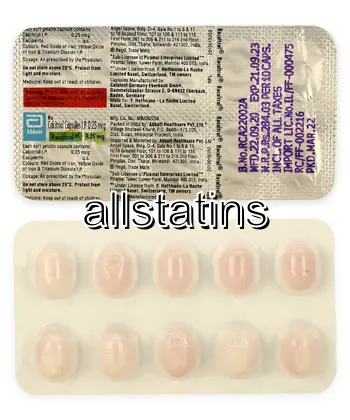
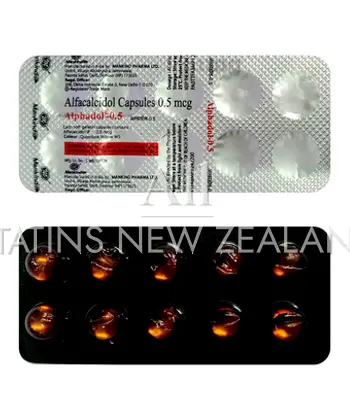
Medications found in this category fall into several classes. Antiresorptive agents such as bisphosphonates are widely used; an example commonly known by its trade name is Fosamax, which contains alendronate. Hormone-related options and selective estrogen receptor modulators are alternatives in some cases. Bone-forming agents and parathyroid hormone analogues represent a different approach aimed at stimulating new bone formation. Vitamin D analogues and active forms of vitamin D, including products referred to as Alfacip or Rocaltrol, support calcium metabolism, and mineral supplements like calcium carbonate are often listed alongside prescription medicines because they address an essential component of bone health.
Safety considerations related to these medicines vary by class and individual product. Gastrointestinal effects are among the more commonly reported issues with some oral treatments, while other agents may require attention to kidney function, serum calcium levels or specific monitoring parameters. Rare but serious adverse events have been associated with certain therapies, and interactions with other medications or supplements can affect how well a treatment works. Product labels and informational leaflets provide details on contraindications, precautions and known side effects for each medicine.
When comparing options, people frequently consider formulation and dosing schedule, such as whether a medicine is taken daily, weekly, monthly or given by injection, because adherence over months to years can influence outcomes. Convenience factors like the need to take a tablet on an empty stomach, or storage and handling requirements for injectable products, are also commonly evaluated. Some users pay attention to whether a product is an active vitamin D form, a calcium salt such as calcium carbonate, a bisphosphonate, or another class, since these differences affect how a medicine works and how it is administered.
Information needs often focus on effectiveness for fracture prevention, expected timelines for seeing benefits, and what monitoring or follow-up might accompany treatment. Many people also look for clear explanations of common side effects, how medications interact with supplements and other prescription drugs, and practical details about different formulations. Product information and healthcare literature linked to each item in the category typically describe these aspects to help consumers make informed choices about the available therapeutic options.