📞  — free, 24/7
— free, 24/7 — free, 24/7Medications and supportive products for managing Parkinson's disease and related symptoms, including prescription therapies for motor and non-motor symptoms, dopaminergic medications, adjunct treatments, and practical supplies for mobility, swallowing, sleep and daily care.
Medications and supportive products for managing Parkinson's disease and related symptoms, including prescription therapies for motor and non-motor symptoms, dopaminergic medications, adjunct treatments, and practical supplies for mobility, swallowing, sleep and daily care.
Medications listed under Parkinson's disease serve to manage the motor and some non-motor symptoms that arise from progressive loss of dopamine-producing neurons in the brain. The aim of drug therapy in this context is symptomatic control — improving movement, reducing tremor, stiffness and slowness — rather than reversing the underlying disease process. Treatments vary widely in chemical class, mechanism of action, onset of effect and duration, reflecting the complex and changing needs of people living with Parkinsonian syndromes.
Common clinical situations addressed by these medicines include managing early symptoms such as tremor or mild slowness, treating more pronounced motor impairment that affects daily activities, and handling later complications such as fluctuations in response to medication (commonly called "on-off" phenomena) or involuntary movements. Some drugs are used alone when symptoms are mild, while others are added to existing regimens to extend benefit or reduce troublesome wearing-off effects between doses.
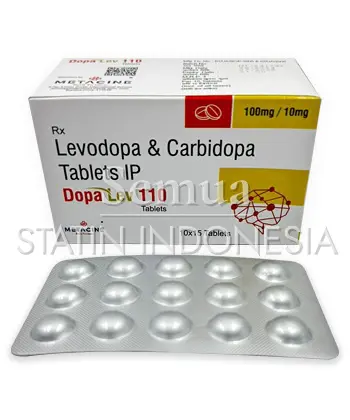
Types of medications found here include dopamine precursor therapy, dopamine receptor agonists, monoamine oxidase B (MAO‑B) inhibitors, anticholinergic agents and other symptomatic treatments. Examples often prescribed are levodopa combined with a dopa-decarboxylase inhibitor — familiar names include Sinemet and extended-release preparations such as Sinemet CR, and combination products that add an extra agent to prolong effect, such as Stalevo. Dopamine agonists like Mirapex (pramipexole), Requip (ropinirole) and older agents such as Parlodel (bromocriptine) mimic dopamine actions. MAO‑B inhibitors such as Eldepryl (selegiline) influence dopamine metabolism, anticholinergics like Artane (trihexyphenidyl) and Kemadrin (procyclidine) target tremor and rigidity in certain patients, and amantadine (Symmetrel) is used for both symptom control and sometimes for reducing dyskinesias.
Formulation and dosing patterns are an important practical aspect of these medicines. Immediate-release and controlled-release forms alter how quickly and how long a drug acts, and that influences choices for people who need rapid relief of symptoms versus more even coverage throughout the day. Some people receive single-drug therapy for a period of time, while others are managed with combinations to balance efficacy and side effects. The same named medicine may be available in multiple strengths and release patterns, which affects convenience, frequency of dosing and how fluctuations are managed.
Safety considerations are an essential part of selecting and using Parkinson’s medicines. Side effect profiles differ across drug classes; common issues may include nausea, dizziness on standing, daytime sleepiness, hallucinations or confusion in susceptible individuals, and movement-related complications such as dyskinesia with long-term levodopa use. Dopamine agonists have been associated with behavioral effects in some people, including impulse control changes. Interactions with other medications and the presence of other medical conditions can influence tolerability and choice of therapy, and monitoring for changing effects over time is commonly part of care.
When comparing options, many people weigh effectiveness for the particular symptoms that bother them most, the onset and duration of benefit, side-effect risks, dosing frequency and formulation convenience. Accessibility factors such as availability of specific preparations, pill burden, and support resources for managing complex schedules or side effects also matter to users. Clear information about how a medicine works, what to expect from it, and how it fits into a broader treatment plan helps individuals make informed choices alongside their healthcare providers.