📞  — free, 24/7
— free, 24/7 — free, 24/7| Package | Price per Dose | Price | |
|---|---|---|---|
| 180 cap | NZ$2.30 | NZ$486.39 NZ$413.43 Free shipping | |
| 120 cap | NZ$2.59 | NZ$363.85 NZ$309.27 | |
| 90 cap | NZ$2.90 | NZ$308.15 NZ$261.93 | |
| 60 cap | NZ$3.63 | NZ$256.17 NZ$217.75 | |
| 30 cap | NZ$4.83 | NZ$170.77 NZ$145.15 | |
| 180 cap | NZ$2.90 | NZ$616.35 NZ$523.90 Free shipping | |
| 120 cap | NZ$3.19 | NZ$449.25 NZ$381.87 Free shipping | |
| 90 cap | NZ$3.47 | NZ$367.57 NZ$312.43 | |
| 60 cap | NZ$3.88 | NZ$274.74 NZ$233.53 | |
| 30 cap | NZ$5.14 | NZ$181.91 NZ$154.62 |
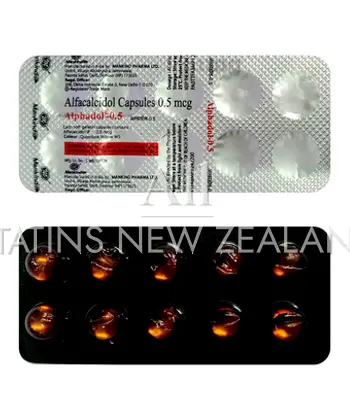
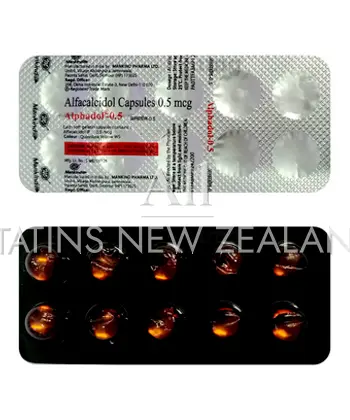
Alfacalcidol was developed in the 1980s as a vitamin D analogue that is activated in the liver. After you take it, your liver converts it into calcitriol, the body’s active form of vitamin D. This helps your body use calcium more effectively.
This active form helps you absorb calcium from your gut and keeps your bones strong. It also helps lower high parathyroid hormone levels, which can disturb calcium balance. By supporting calcium handling, it can help protect bone health in certain conditions.
Because it becomes the active hormone mostly in the liver, alfacalcidol can be useful when the kidneys or parathyroid glands don’t make enough of the natural vitamin D signal. It is often chosen when traditional vitamin D therapy alone doesn’t fully correct calcium problems.
Common medical uses include correcting low calcium levels in certain illnesses. It is also used to help bone health in people with kidney problems when calcium balance is weak. Your doctor decides if this medicine fits your needs.
Your doctor may use it for bone disease related to parathyroid overactivity. It is often given with calcium supplements or other treatments to support bone strength. The exact plan depends on your lab results and overall health.
Some doctors prescribe it for osteoporosis or other calcium problems, depending on your situation. The goal is to improve calcium balance and reduce bone turnover when needed.
Alfacalcidol is taken by mouth. Take it exactly as prescribed by your doctor. Most people take it once a day and try to keep a steady schedule.
Take it with water. It can be taken with food if you like, but do not crush or chew the tablet. Swallow it whole to protect the medicine and its effect in your body.
Your dose may change over time based on blood tests and how you feel. Do not stop suddenly without talking to your clinician. Gradual changes help keep calcium levels stable.
Tell your doctor about all medicines you use, including supplements and nonprescription drugs. Some medicines can raise calcium or affect how alfacalcidol works. Sharing your full list helps prevent interactions.
Watch for signs of too much calcium, such as thirst, frequent urination, nausea, stomach pain, or confusion. Your doctor will monitor calcium and phosphorus levels and adjust your dose as needed.
People with kidney disease, heart problems, or pregnancy should not start this medicine without medical advice. If you are breastfeeding, discuss safety with your doctor to make a careful plan for you and your baby.
Most people tolerate alfacalcidol well. Common side effects include stomach upset, constipation or diarrhea, nausea, and dizziness. These are usually mild and pass with time.
Headache, dry mouth, or a metallic taste can occur. If these symptoms persist or bother you, tell your healthcare provider. They can help adjust your plan if needed.
More serious reactions are rare but require urgent care. Seek help if you have severe weakness, confusion, chest pain, numbness, or signs of very high calcium, such as ongoing vomiting or dehydration.
14–21 days. Free from NZ$351.86 .
5–9 days. NZ$52.78
−10% when paying with cryptocurrency.
−10% on all repeat orders.
All orders are packed in neutral, unbranded boxes with no product name on the outside.