📞  — free, 24/7
— free, 24/7 — free, 24/7Medications and topical treatments for controlling parasitic infections: anthelmintics for intestinal worms, antiprotozoals for amoebas and malaria, and agents for lice, scabies and other external parasites. Includes prescription and OTC formulations for treatment and prevention.
Medications and topical treatments for controlling parasitic infections: anthelmintics for intestinal worms, antiprotozoals for amoebas and malaria, and agents for lice, scabies and other external parasites. Includes prescription and OTC formulations for treatment and prevention.
Antiparasitic medicines are drugs developed to treat infections caused by parasites, which range from microscopic protozoa to larger worms. They act by disrupting the biology of the parasite—interfering with metabolism, the nervous system, or structural components—so the organism can be eliminated from the body. Some agents target internal parasites such as intestinal worms and protozoa, while others are formulated for external parasites like lice or scabies. The category covers a variety of chemical classes and modes of action rather than a single type of therapy.
Common uses for antiparasitic medicines include treatment of intestinal helminth infections (roundworms, hookworms, pinworms), flatworm infections such as tapeworms and schistosomiasis, and protozoal infections like giardiasis or trichomoniasis. Certain agents are indicated for systemic invasive infections, while others are intended for localized infestations of the skin or hair. Treatment regimens may be a single dose, a short multi-day course, or a longer therapy depending on the parasite, the site of infection and the specific medication chosen.
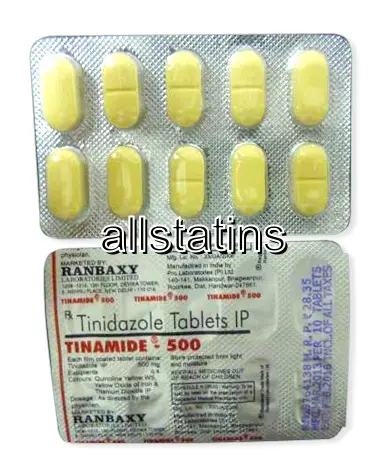
Medications typically found in this group vary by target organism and formulation. Benzimidazoles such as albendazole (marketed under names like Albenza) and mebendazole (Vermox) are commonly used against many intestinal worms. Praziquantel (Biltricide) is a mainstay for treating tapeworms and certain trematode infections. Ivermectin (Stromectol) is used for a range of parasitic infections and has particular utility against some tissue-dwelling and ectoparasitic organisms. Tinidazole is an example of an antiprotozoal agent used against some intestinal protozoa and anaerobic bacteria. Tablets, chewables, topical creams and lotions are among the formulations available, depending on the indication.
Safety considerations are an important part of selecting an antiparasitic medicine. Side effects commonly reported across different drugs can include gastrointestinal discomfort, headache, dizziness or temporary changes in liver enzymes; more serious reactions are less common but possible. Some agents have specific safety profiles related to pregnancy, pediatric use or interactions with other medicines and may require prior screening or monitoring. Regulatory status and prescription requirements vary by country, and labeling typically highlights contraindications and precautions relevant to each product.
When evaluating options, users often look for information on what parasite the medicine targets, the expected duration of therapy and how quickly symptom relief typically occurs. Ease of administration — such as single-dose regimens versus multiple-day courses — and the availability of pediatric or topical formulations are frequent considerations. Details about common side effects, whether medical testing is recommended before or during treatment, and whether a prescription is needed are also important factors for many consumers.
Product descriptions on an online pharmacy should present key facts in clear terms: active ingredient and its usual targets, formulation and dosing format, common adverse effects and any notable warnings or regulatory notes. Reliable listings also clarify whether a medicine is prescription-only and summarize the type of monitoring or follow-up that may be associated with its use. Neutral, well-organized information helps people compare options and understand the context of each medication without serving as personalized medical guidance.