📞  — free, 24/7
— free, 24/7 — free, 24/7Medications and supportive products for gout management, including drugs for acute flare relief (anti-inflammatories and pain control), urate-lowering therapies to prevent attacks, supplements, topical care and devices, and guidance on monitoring uric acid levels.
Medications and supportive products for gout management, including drugs for acute flare relief (anti-inflammatories and pain control), urate-lowering therapies to prevent attacks, supplements, topical care and devices, and guidance on monitoring uric acid levels.
Gout is a form of inflammatory arthritis caused by crystallization of uric acid in and around joints. This category groups medications that are commonly used to relieve the intense pain and swelling of gout flares, to reduce inflammation, and to lower blood levels of uric acid over the long term. Descriptions here cover medicines that act quickly to control acute symptoms as well as drugs intended for ongoing management to reduce the frequency and severity of future attacks.
Many people seek treatment in two distinct situations: acute gout attacks and chronic prevention. During an acute flare the goal is rapid reduction of pain and inflammation; medications with a rapid onset of action are typically chosen in that setting. For chronic management, the aim is to lower serum urate concentration so that crystals gradually dissolve and recurrence becomes less likely. Some products in this category are used only for short courses during flares, while others are taken daily for months or years to maintain lower uric acid levels.
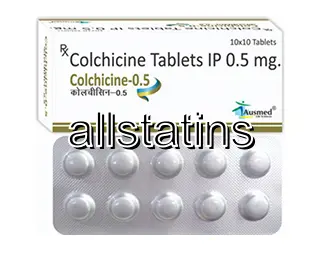
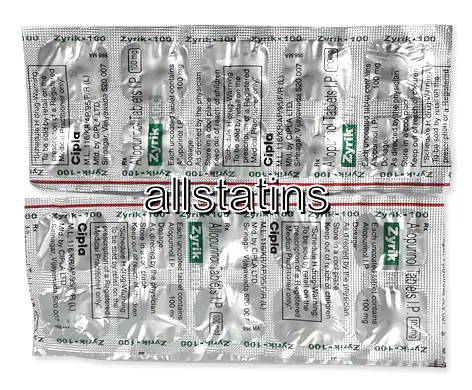
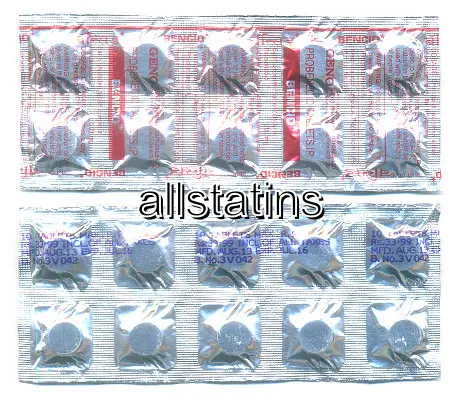
The category contains several classes of medicines. Anti-inflammatory options used for immediate symptom control include nonsteroidal anti-inflammatory drugs (NSAIDs), colchicine (a specific anti-inflammatory agent used in gout), and corticosteroids in certain cases. For urate-lowering therapy, xanthine oxidase inhibitors such as allopurinol—sometimes referred to by names like zyloprim—and uricosuric agents that increase renal excretion of uric acid, for example probenecid (Benemid), are commonly represented. Products differ by mechanism, speed of action, and typical dosing patterns.
Typical patterns of use found in this category reflect the different roles of medications: acute treatments are often prescribed for brief courses to abort or limit an attack, whereas urate-lowering medications are generally intended for longer-term use with periodic assessment. In some clinical situations a short course of anti-inflammatory therapy is continued while urate-lowering therapy is started, since shifting uric acid levels can transiently affect flare risk. Formulation options are mostly oral tablets or capsules, with dosing frequency and duration varying by agent and clinical context.
Safety considerations are an important part of selecting treatments for gout. Common side effects vary by medicine and can include gastrointestinal upset with colchicine, kidney-related considerations for drugs affecting uric acid excretion, and potential hypersensitivity reactions with certain urate-lowering agents. Drug interactions are relevant, particularly for colchicine and for medicines that share metabolic pathways; renal and hepatic function can influence suitability and dosing. Monitoring of blood tests may be advised with some long-term therapies to assess effect and safety.
When comparing options, users often weigh factors such as how quickly relief can be expected, whether a product is intended for short-term flare control or long-term prevention, dosing convenience, known side effect profiles, and any potential interactions with existing medications. Consideration of underlying health conditions, kidney function, and the need for periodic laboratory monitoring are also commonly part of the decision process when looking at treatments in the gout category.