📞  — free, 24/7
— free, 24/7 — free, 24/7| Package | Price per Dose | Price | |
|---|---|---|---|
| 180 pills | NZ$5.69 | NZ$1,460.77 NZ$1,022.54 Free shipping | |
| 120 pills | NZ$6.07 | NZ$1,040.78 NZ$728.55 Free shipping | |
| 90 pills | NZ$6.39 | NZ$821.66 NZ$575.16 Free shipping | |
| 60 pills | NZ$7.13 | NZ$611.67 NZ$428.17 Free shipping | |
| 30 pills | NZ$9.59 | NZ$410.81 NZ$287.57 | |
| 180 pills | NZ$6.39 | NZ$1,643.37 NZ$1,150.36 Free shipping | |
| 120 pills | NZ$6.87 | NZ$1,177.73 NZ$824.41 Free shipping | |
| 90 pills | NZ$7.73 | NZ$995.13 NZ$696.59 Free shipping | |
| 60 pills | NZ$8.63 | NZ$739.49 NZ$517.64 Free shipping | |
| 30 pills | NZ$10.23 | NZ$438.20 NZ$306.74 |
Disclaimer: This information is for general educational purposes and should not replace medical advice from your healthcare team. If you have concerns about Ranexa or your heart health, talk to a pharmacist or doctor.
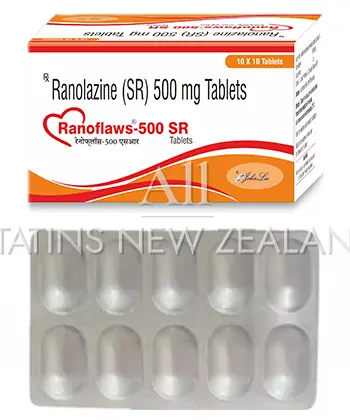
Ranexa is a prescription medicine that belongs to the anti-anginal drug class and is used to treat chronic angina by improving blood flow to the heart.
It works by changing how the heart uses its energy, which can help reduce chest pain during activity and rest. You may hear ranolazine called Ranexa, the brand name, or simply ranolazine, its generic name.
Ranexa is mainly prescribed for long-standing chest pain due to narrowed heart vessels when other treatments have not fully helped. It is not a medicine for a heart attack that is happening right now, and it does not replace urgent care if you have new or severe symptoms.
In New Zealand, Ranexa may require a prescription depending on local rules. Your pharmacist or doctor will confirm how you obtain this medicine in your area. Always follow the label and your prescriber’s instructions carefully.
Do not take Ranexa if you have severe liver problems. The medicine can build up in the body and raise the chance of side effects.
Avoid Ranexa if you are pregnant or breastfeeding unless your clinician specifically advises it. The safety in pregnancy has not been fully established for every situation.
You should not start Ranexa if you have a known allergy to ranolazine or any of its ingredients. Signs of an allergic reaction include swelling, hives, severe rash, or trouble breathing; seek urgent medical help if these occur.
Do not take Ranexa if you have a history of certain heart rhythm problems or a very long QT interval, unless your doctor has explained the benefits and risks to you. You should also avoid it if you are taking certain medicines that strongly affect how ranolazine is processed in your body. If you are unsure, review the official leaflet and talk with your pharmacist or doctor before starting the medicine.
Your clinician may check how Ranexa affects your heart rhythm and liver function with tests from time to time. These checks help prevent possible problems and ensure the medicine is working as intended.
Let your prescriber know if you have kidney or liver problems, as these conditions may change how Ranexa works or the need for monitoring. Do not stop the medicine without discussing changes with a healthcare professional.
Be alert for signs of liver irritation, such as yellowing of the skin or eyes, dark urine, or unusually tired feelings. If you notice any of these, contact your health provider promptly for advice.
If you experience fainting, severe dizziness, or new or worsening chest pain, seek urgent medical help. Some people may notice dizziness or confusion as a side effect, which usually improves over time but needs reporting to your clinician if persistent.
People with a history of liver disease should expect closer monitoring. Your doctor may request liver function tests before and during therapy. Report any unusual fatigue, itching, or abdominal pain to your clinician.
Kidney problems may affect drug levels in the body. If you have kidney disease, your doctor may adjust the plan and schedule more frequent check-ins. Do not assume dose changes are automatic without clinician guidance.
Ranexa can affect the heart’s electrical activity. If you are taking other medicines that impact the heart rhythm, your clinician may want to schedule heart rhythm tests. Discuss any unusual palpitations or fainting episodes right away.
Allergic reactions can occur, though they are uncommon. Stop the medicine and seek urgent help if you notice swelling of the face, lips, tongue, or throat, severe rash, or trouble breathing.
Side effects can be mild, moderate, or, rarely, serious. Most people tolerate Ranexa well, especially with proper monitoring and follow-up with your clinician.
Common side effects include dizziness, headache, nausea, constipation, and tiredness. If these persist or bother you, talk with your pharmacist or doctor about how to manage them.
Less common side effects may involve changes in blood pressure, abdominal pain, or feeling hot or flushed. Report anything new or unusual to your healthcare professional, especially if it lasts more than a few days.
Serious allergic reactions or heart rhythm problems are rare but require urgent medical attention. Seek help promptly if you notice severe swelling, trouble breathing, fainting, or new severe chest pain.
Digestive: nausea, constipation, upset stomach. Nervous system: dizziness, headache, tingling sensations. General: tiredness, weakness.
Cardiac-related: lightheadedness or fainting, especially when standing up quickly. Skin: rash or itching in rare cases. Urinary: rarely changes in urination; contact a clinician if you notice unusual symptoms.
Severe allergic reactions, persistent chest pain, or severe dizziness with fainting require urgent care. If you have a fast or irregular heartbeat, severe shortness of breath, or severe swelling, contact a clinician or seek urgent help.
Ranexa can interact with several medicines, so it is important to tell your clinician about all prescription and over‑the‑counter medicines you take, including vitamins and herbal products. Some interactions can change how well Ranexa works or raise the risk of side effects.
Your pharmacist will review your list of medicines and help you avoid combinations that may raise risk. Do not start any new medicine, including herbal products, without checking with a healthcare professional.
Alcohol should be discussed with your clinician, as it can affect how you feel on Ranexa in some people. If you are unsure about drinking alcohol while on this medicine, ask your pharmacist for guidance.
If you are taking any strong medicines that affect the way ranolazine is processed in the body, your clinician may adjust the plan or choose a different treatment. This includes some antibiotics, antifungals, and antifungal tablets; the exact list should be reviewed with your doctor or pharmacist.
Tell your clinician about all medicines you use regularly. Some heart tablets, antidepressants, or medications that affect the heart’s rhythm can interact with Ranexa. Always check with a pharmacist before changing any prescription regimen.
Over-the-counter pain relievers, cold medicines, or herbal supplements can interact with Ranexa. Do not combine medicines without professional guidance if you have a heart condition.
Food generally does not cause major interactions with Ranexa, but always ask if you are uncertain about a specific meal plan. Alcohol can influence how you feel while taking this medicine, so discuss safe limits with your clinician.
Herbal products like grapefruit products or some other supplements may affect liver enzymes that process ranolazine. If you cannot avoid these, your clinician may need to adjust the plan. Always disclose supplement use to your pharmacist.
Special populations require careful consideration. Your clinician will tailor therapy to your health status, age, and other medical conditions. Do not assume the same plan is right for everyone.
Aging can influence how the body handles medications. If you are an older adult, your healthcare team may adjust monitoring and follow-up visits to ensure safety and effectiveness.
Children are treated differently; Ranexa is not routinely used in anyone under the typical adult age range unless a clinician has specific reasons. If there is a question about suitability for a younger person, consult a pediatric cardiologist or pharmacist for guidance.
Pregnant or breastfeeding people should only use Ranexa if clearly advised by a clinician after weighing risks and benefits. If you become pregnant while on the medicine, contact your clinician promptly for advice.
Use Ranexa exactly as prescribed. Do not adjust the dose or stop the medicine without discussing it with your clinician. Abrupt changes can affect how well it works and may increase risks.
Take Ranexa with or without food, at the same time each day if possible. Consistency helps maintain steady drug levels in your body.
Store the medicine in its original container, away from heat and moisture. Keep out of reach of children and pets to avoid accidental ingestion.
If you miss a dose, contact your clinician for advice and do not double up the next dose unless advised. If you notice any new or unusual symptoms after starting Ranexa, inform your healthcare team promptly.
Seek urgent medical help if you have severe chest pain, trouble breathing, or signs of a serious allergic reaction such as swelling of the face or throat, or a widespread rash. These could be warning signs of a dangerous reaction.
Unexplained fainting, persistent dizziness, or a very slow or abnormal heartbeat should be discussed with a clinician as soon as possible. Do not ignore these symptoms, especially if you have a known heart condition.
If you think Ranexa is not helping your chest pain or you feel worse after starting treatment, contact your prescriber or go to an urgent care or hospital. Always share what medicines you are taking and any new symptoms you have noticed.
Remember to follow local health guidelines and contact your healthcare team for advice if you are unsure about any symptom or test result related to Ranexa therapy.
Your pharmacist and doctor are the primary sources for safe use of Ranexa. The official patient leaflet that comes with the medicine also has important information specific to your product batch.
NZ health services and the medicines information leaflets provide general guidance on safety, monitoring, and what to do in emergencies. Always confirm details with your clinician if anything is unclear.
Keep a personal list of all medicines you take, including vitamins and supplements, and share it at every health appointment. This helps your healthcare team avoid risky combinations and tailor treatment to you.
If you need a reliable, up-to-date source of information, speak with a pharmacist who can review your medicines and help you understand potential risks and benefits in your specific situation.
Alcohol can affect how you feel on this medicine for some people. Ask your clinician about safe limits for you, and avoid drinking if you notice dizziness, fainting, or unusual tiredness after drinking.
Most people can drive if they feel well, but dizziness or lightheadedness may occur, especially when starting therapy. If you experience these symptoms, avoid driving until they resolve and discuss with your clinician if they persist.
Ranexa should only be used in pregnancy or breastfeeding if clearly advised by a clinician after weighing benefits and risks. If pregnancy occurs during treatment, contact your healthcare team promptly.
Blood tests or liver function tests may be requested by your clinician to monitor safety. Do not skip scheduled tests, and report any new symptoms between visits.
Persistent chest pain, worsening breathlessness, or new symptoms may indicate that the treatment is not fully effective. Inform your clinician so they can reassess therapy and make appropriate changes.
Some foods and supplements can alter how the medicine is processed. Always tell your pharmacist about any supplements you take, and do not start new ones without guidance.
Call your clinician for tailored advice. Do not double the dose unless told to do so. If you remember soon after a missed dose, take it as soon as you can unless it is close to the next scheduled dose.
Yes—some heart medicines, antibiotics, antifungals, or other drugs can interact with Ranexa. Your clinician will review your medicines for potential risks and adjust as needed. Do not change therapy on your own.
Ask your pharmacist for the official patient information leaflet that accompanies Ranexa for your product. This leaflet contains detailed, product-specific safety information.
New Zealand health authorities provide general guidance on using heart medicines safely. If you need personalized advice, your clinician or pharmacist is the best source.
Keep this page as a reference and discuss any questions with your healthcare team before starting or changing Ranexa therapy. Your safety is the main priority.
14–21 days. Free from NZ$356.25 .
5–9 days. NZ$53.44
−10% when paying with cryptocurrency.
−10% on all repeat orders.
All orders are packed in neutral, unbranded boxes with no product name on the outside.