📞  — free, 24/7
— free, 24/7 — free, 24/7| Package | Price per Dose | Price | |
|---|---|---|---|
| 120 pills | NZ$3.16 | NZ$420.79 NZ$378.71 Free shipping | |
| 90 pills | NZ$3.60 | NZ$361.17 NZ$325.06 | |
| 60 pills | NZ$4.26 | NZ$284.02 NZ$255.62 | |
| 30 pills | NZ$4.83 | NZ$161.28 NZ$145.15 | |
| 120 pills | NZ$3.63 | NZ$483.91 NZ$435.52 Free shipping | |
| 90 pills | NZ$4.29 | NZ$427.80 NZ$385.02 Free shipping | |
| 60 pills | NZ$5.05 | NZ$336.62 NZ$302.96 | |
| 30 pills | NZ$6.00 | NZ$199.86 NZ$179.87 | |
| 120 pills | NZ$5.05 | NZ$673.28 NZ$605.96 Free shipping | |
| 90 pills | NZ$5.55 | NZ$554.05 NZ$498.65 Free shipping | |
| 60 pills | NZ$6.00 | NZ$399.75 NZ$359.77 Free shipping | |
| 30 pills | NZ$6.63 | NZ$220.90 NZ$198.81 |
Disclaimer: This information helps you understand your medicine.
It should not replace advice from a clinician or pharmacist, and you should seek personalised guidance for safety and effectiveness.
Could a medicine help you beat skin pain?
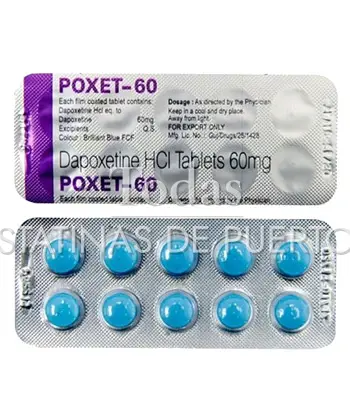
Poxet treats a viral skin infection with care. It works to slow the virus, help your symptoms, and may shorten how long the outbreak lasts, improving comfort overall.
It treats outbreaks of this skin infection effectively. If you notice symptoms early, poxet may help limit spread and reduce discomfort during the flare for you and others.
Always follow your pharmacist’s advice and the leaflet in. If you have questions about where to obtain poxet or whether it is right for you, please ask your pharmacist for guidance.
Some people should not take poxet at all.
If you have a severe allergy to any ingredient, or you have certain serious conditions, avoid this medicine until advised.
Tell your clinician about other medicines you use.
Certain health problems, including kidney or liver issues, may change how poxet is used, and a professional should assess risks.
Watch how your symptoms change after starting poxet.
If you notice new rashes, swelling, trouble breathing, or severe skin reactions, seek urgent medical help immediately, even if it’s mild.
Avoid missing doses; contact your pharmacist for advice.
If you have changes in kidney function or other health issues, the doctor may adjust how you take poxet safely.
Common side effects are usually mild and temporary. You might notice feeling tired, a mild headache, or slight nausea, which often settle within a few days of starting.
If these persist, contact your pharmacist or clinician. Do not adjust the dose yourself; discuss options with a professional to avoid undermining safety and effectiveness for your care.
Serious effects are rare but possible with poxet. Seek urgent medical help if you develop chest pain, severe swelling, or signs of a serious allergic reaction right away.
Tell your clinician about any new symptoms promptly. If you think a skin reaction is developing, avoid scratching, keep skin clean, and report area to a professional immediately.
Allergic reactions require swift action and evaluation today. Signs include swelling of the face, lips, tongue, or throat, severe rash, or trouble breathing; seek urgent care immediately today.
Most skin reactions stay mild and local only. If you develop a blistering rash, redness beyond the original area, or a persistent itch, contact a clinician promptly today.
Drug interactions can affect how well poxet works for.
Provide a complete list of medicines you take, including vitamins and herbal products, so your pharmacist can check for risks.
Some interactions may require timing changes or monitoring.
Alcohol may increase some side effects or risks.
Check whether your supplement regimen could trigger interactions; do not start or stop anything without talking to a pharmacist first.
Pregnant or breastfeeding individuals should consult care before use.
In elderly patients, kidney function or other health issues may influence dosing, so a clinician will plan safety and monitoring.
Children require careful dosing and monitoring by professionals.
If you are unsure about poxet safety in these groups, check the official leaflet or ask a pharmacist for clarification.
Take poxet exactly as your clinician tells you.
Read the leaflet thoroughly; do not switch brands or forms without guidance, and avoid stopping suddenly without discussion with professional.
Take with food if advised; otherwise, without it.
If you forget a dose, take it as soon as you remember unless it is near the next dose time.
An overdose is rare but requires care immediately.
If you suspect overdose, seek urgent medical help right away and bring the medicine packaging for identification to show staff.
Do not share medicines with others; use personally.
Here are common safety questions you may have.
The answers here are general; for personal advice, talk with your pharmacist or clinician who knows your history and needs.
If you need more details, check the leaflet.
Always bring your current medicines list when discussing safety, so interactions and side effects can be reviewed accurately with your.
Poxet safety in pregnancy is not certain today. A clinician will weigh benefits and risks, especially during conception or breastfeeding to guide your plan safely for you and.
Poxet can cause dizziness in some people, initialy.
If you notice drowsiness, avoid driving or machinery work until you know your reaction, and discuss alternatives with your clinician; they can adjust timing or offer alternatives that suit you.
Some medicines affect certain lab test results clinically.
If you require monitoring, your clinician will guide what tests to expect and when to repeat them.
Alcohol can increase some side effects or risks.
Ask your pharmacist about safe limits and timing relative to poxet so you can plan prior to any social occasions.
Taking poxet with food helps some people overall.
Others may feel fine on an empty stomach, so follow your clinician's guidance and the patient information leaflet for safety.
Some medicines affect certain lab test results clinically.
Your clinician will decide if monitoring is necessary, and will explain what tests to expect and when to repeat them.
If you feel no improvement, consult clinician soon.
They may check for resistance, re-evaluate symptoms, or suggest a different plan that fits your situation and safety for you.
Dizziness can occur in some people at first.
If you notice dizziness, avoid driving, and tell your clinician; they can adjust timing or offer alternatives that suit you.
Long-term safety depends on your health and conditions.
Your clinician will review risks, benefits, and any changes in routine, especially if you plan extended treatment over weeks or.
Eligibility depends on local rules and funding policies.
Check with your pharmacist or clinician about access through your plan, as approvals may vary by region and scheme in.
Missing appointments can affect safety and treatment effectiveness.
Reschedule promptly, and keep a record of tests and visits so your care remains coordinated and safe for your peace.
Always use trusted sources for medicine information online.
The official leaflet and your pharmacist are primary resources; local health services provide guidance in New Zealand when needed too.
Keep a personal medicines record updated and accessible.
In New Zealand, PHARMAC funds medicines; your pharmacist can explain coverage and any costs you may face at the time.
14–21 days. Free from NZ$351.86 .
5–9 days. NZ$52.78
−10% when paying with cryptocurrency.
−10% on all repeat orders.
All orders are packed in neutral, unbranded boxes with no product name on the outside.