📞  — free, 24/7
— free, 24/7 — free, 24/7| Package | Price per Dose | Price | |
|---|---|---|---|
| 360 pills | NZ$2.72 | NZ$1,222.25 NZ$977.80 Free shipping | |
| 180 pills | NZ$2.91 | NZ$655.04 NZ$524.03 Free shipping | |
| 120 pills | NZ$3.29 | NZ$495.27 NZ$396.21 Free shipping | |
| 90 pills | NZ$3.74 | NZ$419.37 NZ$335.50 | |
| 60 pills | NZ$4.15 | NZ$311.52 NZ$249.22 | |
| 30 pills | NZ$4.38 | NZ$163.73 NZ$130.98 | |
| 360 pills | NZ$4.73 | NZ$2,128.98 NZ$1,703.18 Free shipping | |
| 180 pills | NZ$4.79 | NZ$1,078.45 NZ$862.76 Free shipping | |
| 120 pills | NZ$4.89 | NZ$734.93 NZ$587.94 Free shipping | |
| 90 pills | NZ$5.05 | NZ$567.17 NZ$453.73 Free shipping | |
| 60 pills | NZ$5.18 | NZ$387.42 NZ$309.93 | |
| 30 pills | NZ$5.85 | NZ$219.65 NZ$175.72 |
Disclaimer: This information is for general guidance and should not replace medical advice from your clinician or pharmacist. Always talk to a health professional about your personal circumstances.
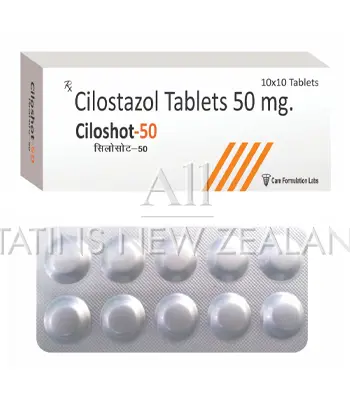
Pletal is cilostazol, a phosphodiesterase-3 (PDE3) inhibitor used to improve walking distance and reduce leg pain caused by intermittent claudication due to peripheral arterial disease. It belongs to the class of medications that work by affecting blood flow and the cells involved in clotting. The primary aim is to help people with PAD walk longer and with less discomfort during activity.
The active ingredient is cilostazol, and Pletal is supplied as tablets in NZ pharmacies. The medication is generally prescribed for adults and is chosen when symptoms interfere with daily activities such as walking or standing. In New Zealand, whether you can obtain it depends on local rules and your clinician’s assessment, and a prescription may be required.
Pletal works over weeks to months rather than minutes, and it is usually used in combination with a supervised exercise plan for best results. It is not a cure for PAD, but it can help manage symptoms and improve quality of life by facilitating better leg function during exertion. If you are considering this treatment, your pharmacist or doctor can explain how it fits with your overall vascular care plan.
Because cilostazol is a prescription medicine in many settings, it is important to use it only under medical supervision. Any questions about eligibility, timing, or alternatives should be discussed with a healthcare professional who can review your medical history and current medications.
Pletal is specifically used for intermittent claudication caused by peripheral arterial disease. This condition happens when narrowed arteries reduce blood flow to the leg muscles during activity, leading to leg pain or cramping. The goal of treatment is to improve leg function so walking longer distances becomes more comfortable.
People often begin Pletal after a physician confirms the diagnosis of PAD with appropriate tests. The medication may be considered when exercise alone has not produced sufficient relief or improvement. It is not a treatment for all forms of leg pain, and it does not replace lifestyle changes such as smoking cessation, diet, and physical activity.
In addition to PAD-related symptoms, clinicians sometimes consider cilostazol in specific cases where a patient has recurrent leg symptoms that limit daily life. The overall plan usually combines pharmacologic therapy with supervised exercise and risk-factor modification. If your symptoms change or worsen, a review with your clinician is advised.
Always tell your healthcare provider about all symptoms you experience, as well as other circulatory issues you have. They can help determine whether Pletal is appropriate for your situation and how it should be integrated with other treatments you may be taking.
Cilostazol inhibits an enzyme called phosphodiesterase-3 (PDE3) inside blood vessel cells and platelets. By doing so, it increases levels of a messenger molecule called cAMP, which softens the tone of blood vessels and reduces platelet aggregation. The result is improved blood flow to the legs and a lower tendency for blood to clot, which can translate into less leg pain with activity.
In practical terms, the medication both helps the arteries dilate a bit and makes blood less likely to form clots. This dual action supports better oxygen delivery to exercising leg muscles and can translate into longer walking distances before pain appears. The effect is modest on average, and it works best when paired with regular exercise and risk-factor management.
Because the body relies on the liver to metabolise cilostazol, liver health and other medications the body processes can influence its effect. Some people may notice improvements in symptoms after several weeks, while others may require a longer period to assess benefit. Your clinician will monitor your response and adjust treatment as needed.
For most patients, the aim is to balance symptomatic relief with tolerability. If you experience new or unusual symptoms, a healthcare professional should review the situation to determine whether the treatment remains appropriate.
Typical dosing for adults is 100 mg taken twice daily. Your clinician will tailor the exact plan to your needs and tolerance. Take the tablets with water, at roughly the same times each day to help maintain an even level of the medicine in your body.
About timing relative to meals, some guidelines suggest taking cilostazol at least 30 minutes before a meal or at least 2 hours after a meal, while others advise taking it with meals as advised by your doctor. In New Zealand, the prescriber will specify the most appropriate timing for you, taking into account other medicines you may be taking and your digestion. If you are unsure, ask your pharmacist for clear instructions before starting the tablets.
Do not stop or alter the dose on your own, even if you feel well. If you miss a dose, take it as soon as you remember unless it is almost time for your next dose. Do not double up to make up for a forgotten dose. If you have concerns about missed doses, contact your pharmacist or clinician for guidance.
Avoid abrupt changes in dosing or schedule; if you need surgery or other medical procedures, inform your surgeon or physician that you are taking cilostazol. They may need to adjust your plan to minimise bleeding risk or interactions with other medicines.
Contraindications are conditions or situations where cilostazol should not be used. These include a known allergy to cilostazol or any of the tablet ingredients. Allergic reactions can range from skin rashes to more serious symptoms, so any history of drug allergy should be discussed with a clinician before beginning the medicine.
People with active bleeding or a known bleeding risk should avoid Pletal. The medicine can affect bleeding tendency, which could worsen existing conditions or complicate procedures. If you have peptic ulcers or a recent injury with bleeding, talk to your doctor before using cilostazol.
Congestive heart failure or a known history of heart rhythm problems may make Pletal unsuitable. If you have heart disease or are unsure about your heart rhythm history, a clinician should assess whether this medication is appropriate for you. Severe liver disease or significant hepatic impairment is another important consideration; your prescriber may adjust treatment or select an alternative.
Pregnancy and breastfeeding are areas where careful assessment is required. The safety of cilostazol during pregnancy has not been established in all situations, and discussions with a clinician are essential. If you are planning to become pregnant or are currently breastfeeding, consult your healthcare provider before starting this medicine.
Before starting cilostazol, discuss your full medical history with your clinician. Certain conditions or medications can alter how well the drug works or increase the risk of side effects. Your clinician may monitor you for blood pressure changes, heart rhythm, or signs of bleeding during treatment.
Tell your healthcare provider about all medicines you take, including over-the-counter drugs, vitamins, and herbal supplements. Some medicines can interact with cilostazol and raise the risk of adverse effects or reduce the medicine’s effectiveness. Always disclose your complete medication list when you begin therapy or when it changes.
Common warnings focus on bleeding risk, blood pressure changes, and headaches. If you notice severe or persistent headaches, dizziness, chest pain, or unusual bleeding, seek medical help promptly. Seek urgent medical help if you experience symptoms such as sudden severe headache, fainting, or signs of blood in unusual places.
Older adults may be more sensitive to side effects such as dizziness or low blood pressure. A healthcare professional may adjust the plan to improve safety and tolerability. Regular follow-up appointments help ensure the treatment remains appropriate as your health evolves.
As with many medicines, cilostazol can cause side effects. Some are common and tend to diminish with time, while others require medical attention. It is important to report anything unusual or persistent to your clinician or pharmacist.
Common side effects include headaches, dizziness or lightheadedness, and mild digestive upset such as nausea or diarrhea. Some users report facial flushing or palpitations. Most side effects are manageable but must be tracked, especially if you have other vascular or cardiac concerns.
Less commonly, people may experience edema (swelling), rash or itching, or muscle cramps. Severe skin reactions or signs of an allergic reaction require urgent medical evaluation. If you notice any unusual symptoms or a combination of symptoms that concern you, contact your healthcare professional for advice.
Remember that this list does not include every possible side effect. Your clinician can provide a complete safety profile tailored to your health history and other medications you may be taking. If in doubt, seek guidance from your pharmacist or doctor.
Cilostazol can interact with several types of medicines, foods, and supplements. It is essential to inform your clinician about all medicines you take, including non-prescription drugs. Interactions can alter either the effectiveness of Pletal or the risk of adverse effects.
Herbal supplements or vitamins that affect blood clotting, liver enzymes, or cardiovascular function should be reviewed with a pharmacist. If you plan to start any new supplement while on cilostazol, seek professional guidance to avoid unintended interactions.
Food timing can influence absorption for some patients. Your prescriber will provide instructions on whether to take the medication with meals or on an empty stomach. Always follow the guidance given by your healthcare team and ask questions if anything is unclear.
The safety of cilostazol during pregnancy has not been established for all situations. If you are pregnant or plan to become pregnant, you should discuss potential risks and benefits with your obstetrician or prescriber before starting this medicine. A decision to use cilostazol during pregnancy will consider the health of both mother and baby.
Breastfeeding while taking cilostazol is not well established. If you are breastfeeding, talk with your clinician about the best approach. In some cases, the medication may not be recommended during lactation because of potential exposure to the baby.
In all cases, do not start or stop therapy based solely on online information. Seek direct advice from a healthcare professional who can evaluate your pregnancy or breastfeeding status and tailor recommendations to your circumstances.
If you become pregnant while taking Pletal, contact your healthcare team promptly to review the plan and any necessary adjustments to therapy.
Response times vary. Some people notice improvements after a few weeks, while others may require longer to assess benefits. Your clinician will monitor progress with you and may adjust the plan based on response and tolerance.
If you miss a dose, take it as soon as you remember unless it is close to your next scheduled dose. If it is almost time for the next dose, skip the missed dose and resume your regular schedule. Do not double up to catch up, as this can increase the risk of side effects.
Moderate or occasional alcohol is not automatically unsafe, but alcohol can affect blood pressure and heart rate. Discuss your level of alcohol use with your clinician, especially if you have other heart or vascular concerns, to determine what is appropriate for you.
Some OTC medicines can interact with cilostazol, including products that affect bleeding risk, blood pressure, or heart rhythm. Always tell your pharmacist about all medicines you take, and seek guidance before starting any new OTC product.
The duration of therapy depends on your symptoms, response to treatment, and overall health. Many people use cilostazol for months to years if it remains beneficial and well tolerated. Your clinician will reassess periodically to determine ongoing need and safety.
For mild side effects, your clinician may recommend continuing the medicine with monitoring. For signs of an allergic reaction or severe side effects, seek urgent medical help. Do not ignore persistent or worsening symptoms.
That depends on the specific type and history of heart disease. Cilostazol can affect blood flow and platelets, so a clinician must evaluate cardiovascular risk before starting therapy. Do not start or stop the medicine without professional medical advice.
Yes, cilostazol is often used alongside a structured exercise program. Exercise targets improvements in walking distance and leg strength, and the combination with medication can enhance outcomes. Ask your clinician for a tailored plan that fits your health status.
Unusual bleeding or bruising should be reported to your clinician promptly. They may assess the cause, adjust the treatment, or provide guidance on managing the bleeding risk while continuing therapy if appropriate.
Yes, cilostazol can interact with various cardiovascular therapies and other medications. Always disclose your full health plan to ensure a coordinated approach to your treatments and to minimize adverse interactions.
The most accurate and current information will be found in the official product leaflet supplied with the medication and in documentation provided by your national or local health authority. Your pharmacist can summarize key safety points and answer questions related to your prescriptions and local rules in New Zealand.
Consult your healthcare provider for personalized advice that reflects your medical history, current therapy, and any lab results. If you have questions about dosage, timing, potential side effects, or interactions, a pharmacist is a reliable, accessible resource for guidance in everyday settings.
Keep all medicine labels and leaflets for reference, and bring them to consultations so your clinician can review them in the context of your health. If you experience new symptoms, changes in health, or concerns about effectiveness, schedule an appointment for a formal review rather than relying on self-assessment alone.
In the event of an urgent concern, contact your local health service or seek urgent medical help. Your safety depends on open communication with your healthcare team and timely reporting of any adverse effects or new health issues.
14–21 days. Free from NZ$356.25 .
5–9 days. NZ$53.44
−10% when paying with cryptocurrency.
−10% on all repeat orders.
All orders are packed in neutral, unbranded boxes with no product name on the outside.