📞  — free, 24/7
— free, 24/7 — free, 24/7| Package | Price per Dose | Price | |
|---|---|---|---|
| 180 pills | NZ$1.83 | NZ$389.84 NZ$331.37 | |
| 120 pills | NZ$2.05 | NZ$289.59 NZ$246.15 | |
| 90 pills | NZ$2.40 | NZ$252.46 NZ$214.59 | |
| 60 pills | NZ$2.68 | NZ$189.33 NZ$160.93 | |
| 30 pills | NZ$3.16 | NZ$111.36 NZ$94.65 | |
| 180 pills | NZ$3.69 | NZ$783.44 NZ$665.92 Free shipping | |
| 120 pills | NZ$3.95 | NZ$556.94 NZ$473.40 Free shipping | |
| 90 pills | NZ$4.29 | NZ$452.97 NZ$385.02 Free shipping | |
| 60 pills | NZ$4.58 | NZ$323.01 NZ$274.56 | |
| 30 pills | NZ$5.05 | NZ$178.19 NZ$151.47 |
How would you manage high blood pressure or fluid buildup if a single daily pill could help your heart work more smoothly?
Hygroton is the brand name for chlorthalidone, a diuretic often called a water pill. It helps your kidneys remove excess salt and water through your urine.
Doctors use Hygroton to lower high blood pressure and to reduce swelling from conditions that cause fluid buildup in the body. It can be used by itself or with other medicines as part of a broader treatment plan.
In New Zealand, starting this medicine may require prescription and follow-up with your doctor or pharmacist. Always follow the official leaflet and your clinician’s instructions for your situation.
Think of Hygroton as a tool to ease the effort your heart must make by lowering fluid levels and easing pressure in your blood vessels. This can help your circulation feel steadier and reduce uncomfortable swelling.
Hygroton is commonly used to treat high blood pressure and to reduce edema (excess fluid) in the body.
It may be added when other medicines alone don’t control your blood pressure well enough, or when fluid buildup is a prominent feature of your condition.
When choosing between Hygroton and other options, your doctor considers kidney function, electrolyte balance, heart health, and other medicines you take. Some people benefit from a longer-acting diuretic, while others respond better to a more potent or gentler option.
In a primary care setting, Hygroton is often chosen for its strong 24-hour effect on blood pressure, but it may carry a higher risk of potassium loss compared with some alternatives. Your clinician weighs benefits and risks for you personally.
Always discuss your complete medical history with your clinician. If you have concerns about alternatives, you may discuss a trial period or monitoring plan with your pharmacist or doctor.
Hygroton lowers blood pressure partly by reducing the volume of blood you carry, which lightens the load on your heart.
It belongs to a class of medicines called thiazide-like diuretics. Its effects last longer than many other diuretics, which can be helpful for continuous blood pressure control.
Compared with some similar diuretics, Hygroton may cause different shifts in minerals like potassium and calcium. Your clinician may monitor blood tests to watch for any imbalances and adjust treatment if needed.
Because of its long action, Hygroton can be effective in preventing early morning blood pressure spikes in some people. Your doctor will decide if this aligns with your health goals and schedule.
In this quick comparison, you’ll see how Hygroton compares with a few well-known options. The specifics depend on your health, so talk with your clinician about what’s right for you.
What you read here is general information. Your treatment plan should reflect your personal health needs and the advice of your healthcare team.
| Name | Primary use | Typical onset | Key advantage |
|---|---|---|---|
| Hygroton (chlorthalidone) | High blood pressure; edema from heart failure or other causes | Long-acting, with effects over the day and night | Strong, sustained blood pressure lowering for many patients |
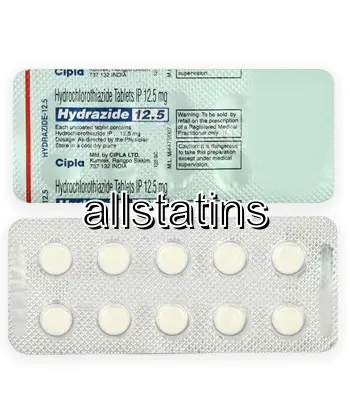
| Hydrochlorothiazide | High blood pressure; swelling from fluid overload | Usually moderate onset within hours | Widely used with a well-established safety profile |
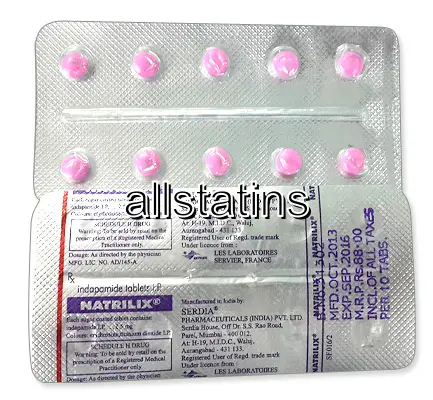
| Indapamide | High blood pressure; sometimes edema | Onset over hours to a day | Good balance of effect and tolerability for many people |
| Furosemide | Fluid overload from heart, liver, or kidney disease | Fast onset, especially when taken early in the day | Very potent diuretic for rapid fluid removal |
Key considerations include how long the effect lasts, how it interacts with your other medicines, and how it affects minerals in your blood. Your clinician will tailor the choice to your goals and health status.
Take Hygroton exactly as prescribed by your clinician. The dose is usually taken once daily, but your schedule may vary based on your plan.
Take it with or without food. Try to take it at the same time each day to help you remember.
Note that you may need to have regular blood tests to check electrolytes and kidney function, especially when starting or adjusting the dose.
If you miss a dose, take it as soon as you remember unless it is nearly time for your next dose. Do not double up to make up for a missed dose—skip the missed dose and resume your usual schedule.
Avoid dehydration and sudden weight loss. Keep a steady fluid intake unless your clinician advised otherwise for your condition.
Common practical tips include carrying a bottle of water and monitoring yourself for signs of dizziness, weakness, or unusual tiredness. If you notice these, tell your clinician promptly.
Like all medicines, Hygroton can cause side effects in some people. Most people tolerate it well, especially with routine monitoring.
Common effects may include increased urination, lightheadedness, or mild electrolyte changes. Call your clinician if you notice muscle cramps, confusion, or unusually fast or irregular heartbeat.
Do not take Hygroton if you have a known allergy to chlorthalidone or other sulfonamide-type medicines. If you have a history of gout, discuss this with your clinician, as treatment may affect uric acid levels.
Tell your clinician if you have kidney disease, liver disease, or a history of severe electrolyte imbalance. Your doctor might adjust the plan or choose a different medicine.
In New Zealand, you may need ongoing follow-up to ensure the medicine is safe and effective for you. Seek urgent medical help if you experience severe abdominal pain, chest pain, or swelling of the face or limbs that is new or worsening.
Hygroton can interact with other medicines and substances, which may change its effects or raise risks. Always tell your healthcare team about all medicines you take, including herbal supplements and over‑the‑counter products.
Nonsteroidal anti-inflammatory drugs (NSAIDs) can reduce the blood pressure-lowering effect of diuretics and may affect kidney function in some people. If you regularly take NSAIDs, review this with your clinician.
Medications that affect potassium levels, including potassium supplements or potassium-sparing agents, may increase the risk of potassium imbalance when used with Hygroton.
Value is placed on monitoring; periods of illness with vomiting or diarrhea, or significant changes in salt intake, may require dose adjustments or closer observation.
Medicines that influence urinary excretion or the heart’s stress response, as well as certain antidepressants and blood pressure drugs, may require coordination with your doctor or pharmacist to minimize risks.
Switching between Hygroton and a related diuretic is common when doctors adjust therapy to reach target blood pressure or fluid control.
Generic versions of chlorthalidone may be used in place of a brand-name product in many settings. If you switch, your clinician may schedule a check-in and possibly some blood tests to confirm the choice works well for you.
If you are considering stopping Hygroton, do not do so without talking to your clinician. Stopping abruptly can lead to a return of symptoms or a sudden change in blood pressure.
Your pharmacist can explain how the new option compares in terms of onset, effects, and potential side effects. They can help you understand what to monitor at home and when to seek advice.
It depends on your overall health, kidney function, and other medicines you take. Hygroton has a long-acting effect that suits some people for steady control, while others respond better to different diuretics. Check with your clinician about what’s right for you.
Generic versions are commonly used and can be safe when prescribed. If your body responds differently, your clinician may adjust the dose or monitor more closely. Always discuss switching with your pharmacist or doctor.
Some effect is seen within days, with fuller improvement over weeks. The exact timeline varies by person and depends on additional lifestyle changes and other medications.
Kidney function affects how diuretics work and how safe they are. Your clinician will review your kidney status and may adjust the plan or choose a different option if needed. In any case, regular monitoring is important.
Take it as soon as you remember, unless it is nearly time for your next dose. Do not double up to catch up. If you have missed several doses, contact your clinician for advice on how to proceed.
There is no single food you must avoid, but you should maintain consistent salt intake and stay hydrated unless told otherwise. Your clinician may suggest specific guidance if you have other health issues.
Medicine safety in pregnancy or while breastfeeding requires careful medical advice. Do not start or stop Hygroton without talking to your doctor. They will consider risks and benefits for you and the baby.
Furosemide is typically more potent for rapid fluid removal, while Hygroton provides longer-term blood pressure control with a different side‑effect profile. Your clinician will choose based on the cause of edema and your overall health.
Yes, in many cases Hygroton remains part of a combination therapy. Your clinician will check for interactions, adjust doses if needed, and monitor your response to the full regimen.
Your pharmacist can provide printed information and discuss how Hygroton fits with your health goals. Always follow the official leaflet with the medication and ask questions if anything is unclear.
If you have ongoing health conditions or take multiple medicines, regular review with your doctor or pharmacist is important for safety and efficacy.
For personalised guidance, contact your healthcare team in New Zealand. They can tailor advice to your situation and ensure you are supported throughout treatment. Seek urgent medical help if you develop severe symptoms such as chest pain, severe dehydration, or signs of a serious allergic reaction.
14–21 days. Free from NZ$351.86 .
5–9 days. NZ$52.78
−10% when paying with cryptocurrency.
−10% on all repeat orders.
All orders are packed in neutral, unbranded boxes with no product name on the outside.