📞  — free, 24/7
— free, 24/7 — free, 24/7| Package | Price per Dose | Price | |
|---|---|---|---|
| 360 pills | NZ$2.68 | NZ$1,207.20 NZ$965.76 Free shipping | |
| 240 pills | NZ$2.78 | NZ$832.40 NZ$665.92 Free shipping | |
| 180 pills | NZ$2.94 | NZ$658.81 NZ$527.05 Free shipping | |
| 120 pills | NZ$3.16 | NZ$473.39 NZ$378.71 Free shipping | |
| 90 pills | NZ$3.41 | NZ$382.65 NZ$306.12 | |
| 60 pills | NZ$3.76 | NZ$280.07 NZ$224.06 | |
| 30 pills | NZ$4.32 | NZ$161.71 NZ$129.37 | |
| 360 pills | NZ$3.85 | NZ$1,731.92 NZ$1,385.53 Free shipping | |
| 180 pills | NZ$4.01 | NZ$903.42 NZ$722.73 Free shipping | |
| 120 pills | NZ$4.20 | NZ$631.20 NZ$504.96 Free shipping | |
| 90 pills | NZ$4.42 | NZ$497.06 NZ$397.65 Free shipping | |
| 60 pills | NZ$4.64 | NZ$347.14 NZ$277.71 | |
| 30 pills | NZ$4.86 | NZ$181.44 NZ$145.15 | |
| 180 pills | NZ$5.97 | NZ$1,341.34 NZ$1,073.07 Free shipping | |
| 120 pills | NZ$6.28 | NZ$942.87 NZ$754.30 Free shipping | |
| 90 pills | NZ$6.60 | NZ$741.66 NZ$593.33 Free shipping | |
| 60 pills | NZ$6.91 | NZ$516.79 NZ$413.43 Free shipping | |
| 30 pills | NZ$7.26 | NZ$272.18 NZ$217.75 |
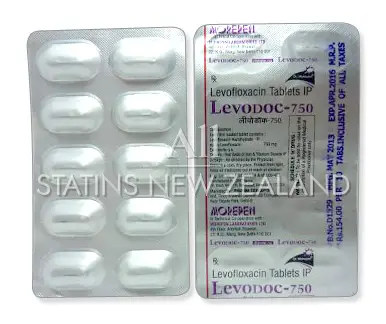
Levaquin is the brand name for the antibiotic levofloxacin. It belongs to a class of medicines called fluoroquinolones and works by stopping the growth of bacteria. It is not effective against viruses such as colds or flu.
In New Zealand, Levaquin may be prescribed by a healthcare professional for certain bacterial infections. The decision to use this medicine depends on the type of infection and your medical history. It is not a medicine to be used without professional advice.
Levaquin is available in different forms, including tablets and oral solution. Your pharmacist or doctor will tell you which form and how long to use it for your infection. Do not share your medicine with others or use someone else’s prescription.
As with all antibiotics, it is important to read the patient information leaflet that comes with your medicine. If you notice any information you do not understand, speak to a healthcare professional before starting treatment. If you have had an allergic reaction to fluoroquinolones in the past, inform your clinician before using Levaquin.
Levaquin is used to treat certain types of bacterial infections. These can include infections of the lungs, sinuses, skin, urinary tract, and some other parts of the body where bacteria are causing illness. The exact infection and the role of Levaquin in treatment depend on medical assessment.
The medicine is prescribed when a bacterial infection is confirmed or suspected, and when the benefits are expected to outweigh possible risks. It is not used to treat viral illnesses like colds or flu.
The decision to use Levaquin takes into account factors such as your age, kidney function, heart rhythm, and any other medicines you may be taking. If you are unsure why Levaquin has been prescribed for you, ask your doctor or pharmacist to explain the reason for your treatment.
In some situations, your doctor may choose a different antibiotic. If your infection does not improve or worsens while taking Levaquin, seek medical advice promptly. Do not change the course of treatment without professional guidance.
Levaquin works by inhibiting enzymes that bacteria need to reproduce. By blocking these enzymes, the bacteria cannot multiply effectively, which helps the body's immune system to clear the infection. It does not kill human cells and does not treat viruses.
The effect of Levaquin depends on the type of bacteria causing the infection and the site of infection. Not all bacteria respond the same way to this medicine. If the infection is caused by a virus, Levaquin will not help.
Because it targets bacteria, Levaquin should be used only for bacterial infections as directed by a healthcare professional. Taking antibiotics when they are not needed can increase the risk of side effects and antibiotic resistance. Always follow the prescribed course unless advised otherwise by a clinician.
Your healthcare professional will consider factors such as kidney function and potential interactions with other medicines when deciding to use Levaquin. If you have questions about how this medicine works for your specific infection, ask for an explanation from your clinician.
Take Levaquin exactly as prescribed by your doctor. Do not take more or less than the prescribed amount, and do not stop taking it early unless advised by a clinician. Completing the full course helps reduce the chance of the infection returning.
Levaquin is usually taken by mouth with a full glass of water. It can be taken with or without food, but try to take it at roughly the same time each day to help you remember. If you are prescribed the oral solution, use the dosing device provided to measure the correct amount.
Avoid taking Levaquin with certain medicines at the same time. For example, medicines containing minerals such as calcium, iron, zinc, aluminum, or magnesium, and some antacids, can reduce the absorption of Levaquin. If you need to take these medicines, your clinician will tell you how far apart to separate them. Do not take these medicines at the same time as Levaquin unless advised otherwise.
Tell your pharmacist about all medicines you take, including supplements and vitamins. Levaquin can interact with other medicines, which may require adjustments to your treatment. If you miss a dose, take it as soon as you remember unless it is almost time for your next dose. Do not double up to make up for a missed dose.
Levaquin should not be used by people who have shown an allergic reaction to levofloxacin or to other fluoroquinolones in the past. Signs of an allergic reaction include rash, itching, swelling of the face or throat, or trouble breathing. Seek urgent medical help if these occur.
Children and adolescents are generally not the first choice for this medicine because of effects on developing cartilage. In certain serious infections, a clinician may weigh risks and benefits and decide to use it in younger patients. Discuss alternatives with your doctor if you are caring for a child or adolescent.
People with a history of tendon disorders related to fluoroquinolone use, nerve problems, or certain heart rhythm conditions may need extra monitoring. If you have a history of long QT interval, electrolyte disturbances, or take medicines that affect heart rhythm, talk to your clinician before starting Levaquin.
If you are pregnant or planning pregnancy, or if you are breastfeeding, discuss the benefits and risks with your healthcare professional. Levofloxacin can pass into breast milk and may affect a breastfed baby. Your clinician can advise on whether to use Levaquin in your situation.
Fluoroquinolones, including Levaquin, may carry risks of serious side effects. In some cases these risks require urgent attention. If you experience sudden tendon pain, swelling, or rupture, stop the medicine and seek medical care promptly.
Peripheral neuropathy or central nervous system effects such as dizziness, confusion, or agitation can occur. If you notice unusual sensations, tingling, or weakness, contact your clinician. Some people have reported mood changes or sleep disturbances.
Levaquin may affect heart rhythm in some people, particularly those with pre-existing heart conditions or those taking specific other medicines. If you have any concerns about your heart rhythm, discuss them with your doctor before starting treatment.
There is a potential for severe diarrhoea due to C. difficile infection, which can occur weeks after finishing the antibiotic. Seek medical help if you have very loose stools, fever, or stomach cramps that persist while or after taking Levaquin.
Common side effects include nausea, diarrhea, headache, dizziness, or trouble sleeping. Some people may experience changes in taste, stomach upset, or a skin rash.
Less common events can include nerve or tendon problems, light sensitivity, or prolonged sunburn. If you notice persistent tendon pain, swelling, or rupture, discontinue use and contact your clinician immediately.
Allergic reactions can occur with any medicine. Seek urgent medical attention if you develop swelling of the face or throat, severe rash, or trouble breathing. If you experience severe abdominal cramps or bloody stools, tell your doctor promptly.
In rare cases, Levaquin can affect mental health, mood, or behaviour. If you notice unusual thoughts, agitation, or confusion, discuss this with a healthcare professional right away.
Tell your doctor about all medicines you take, including over-the-counter products and supplements. Certain medicines can affect how Levaquin works or increase side effects.
Medicines containing calcium, iron, magnesium, zinc, aluminum, or some other minerals and antacids can reduce Levaquin absorption. If you need to take these, separate them by several hours as advised by your clinician or pharmacist.
Some medicines affecting heart rhythm or the nervous system may interact with Levaquin. Examples include certain antiarrhythmics, some antidepressants, and drugs that prolong the QT interval. Your clinician will review these if you are taking them.
Levaquin may interact with the blood-thinning medicine warfarin and with theophylline, among others. If you take these medicines, your doctor may monitor you more closely or adjust doses. Do not change any other medicines without professional guidance.
Levaquin may pose risks to a developing fetus. It is not routinely recommended during pregnancy unless the potential benefit justifies the possible risk. If you are pregnant or planning pregnancy, discuss the need for this medicine with your clinician.
Breast-feeding while taking Levaquin is generally advised against, because the drug can pass into breast milk. A decision should be made in discussion with a healthcare professional about whether to continue breastfeeding while receiving this antibiotic.
In some situations, a clinician may decide Levaquin is necessary due to a serious infection. In such cases, careful consideration of benefits and risks is required. Always follow professional guidance in pregnancy and lactation contexts.
If you become pregnant during treatment or if you plan pregnancy, inform your clinician promptly to review options and safety considerations. Do not stop therapy without medical advice unless you are instructed to do so by a clinician.
Levaquin begins to act against bacteria as soon as it is absorbed. Symptoms may improve within a few days for some infections, but this varies with the type and severity of the infection. Do not expect instant relief, and complete the full course unless your clinician instructs otherwise.
If you miss a dose and it is not almost time for your next dose, take it as soon as you remember. If it is almost time for the next dose, skip the missed dose and resume your regular schedule. Do not double up to make up for a missed dose. If you frequently forget doses, talk to your clinician about a plan to help you remember.
Levaquin can interact with several medicines. Always tell your doctor about all medicines you take, including supplements. Common considerations include avoiding certain mineral supplements or antacids at the same time, and informing your clinician if you use medicines that affect heart rhythm or the nervous system.
If you experience sudden pain, swelling, or inflammation of a tendon, stop taking Levaquin and seek medical advice promptly. Tendon injuries can occur with fluoroquinolones and may require treatment or temporary stopping of the medicine.
Some people may feel dizzy, lightheaded, or confused while taking Levaquin. If you feel unwell or dizzy, avoid driving or operating heavy machinery until you know how the medicine affects you. Contact your clinician if symptoms persist or worsen.
Kidney function can influence how Levaquin is processed in the body. Your clinician will consider your kidney function when deciding on the dose and duration of therapy. Do not adjust the dose without medical advice.
Levaquin can increase sensitivity to the sun. To reduce the risk of sunburn or a rash, wear protective clothing, use sunscreen, and avoid prolonged sun exposure while taking this medicine.
Older adults may have a higher risk of certain side effects, such as tendon problems or changes in heart rhythm. Your clinician will monitor for these risks and adjust treatment if needed. Report any new symptoms promptly.
Do not stop treatment early unless your clinician tells you to. Stopping too soon can allow the infection to return or worsen. If you have concerns about side effects or the length of treatment, discuss them with your clinician.
Severe or persistent diarrhoea could indicate a serious infection such as Clostridioides difficile. If you develop severe or persistent diarrhoea, contact your clinician promptly, even if you have finished the course. Seek urgent medical help if you have signs of dehydration or fever.
New Zealand Medicines and Medical Safety resources, including the New Zealand Formulary (NZF) and Medicines Safety guidance, provide patient information and safety considerations for levofloxacin. Your clinician or pharmacist can supply the official product leaflet for Levaquin. NZ health authorities encourage consulting a healthcare professional for personalised advice, especially in the context of pregnancy, kidney or heart conditions, or interactions with other medicines.
14–21 days. Free from NZ$351.86 .
5–9 days. NZ$52.78
−10% when paying with cryptocurrency.
−10% on all repeat orders.
All orders are packed in neutral, unbranded boxes with no product name on the outside.