📞  — free, 24/7
— free, 24/7 — free, 24/7| Package | Price per Dose | Price | |
|---|---|---|---|
| 30 pills | NZ$16.73 | NZ$557.56 NZ$501.80 Free shipping | |
| 20 pills | NZ$22.09 | NZ$490.93 NZ$441.83 Free shipping | |
| 10 pills | NZ$26.51 | NZ$294.54 NZ$265.09 |
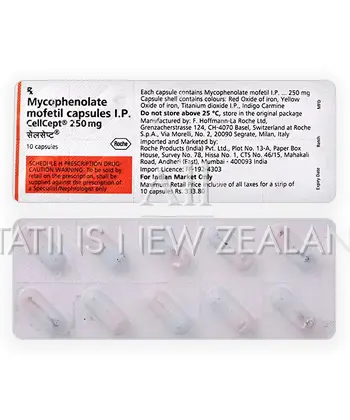
Cellcept is a brand name for the medicine mycophenolate mofetil. It is an immunosuppressant, which means it helps reduce the activity of the immune system. This can help prevent the body from rejecting a transplanted organ or from attacking its own tissues in certain conditions under specialist care.
The medicine is available in capsule form and may also be supplied as a suspension. The exact form and dose are decided by your clinician based on your situation. In New Zealand, Cellcept may require a prescription depending on local rules.
Cellcept is not a cure for illness. Its purpose is to modify the immune response so that the body is less likely to reject a transplanted organ or to cause harmful inflammation in autoimmune diseases. Regular monitoring by your health care team is part of this treatment.
Your healthcare team will explain how long you will need to take Cellcept and how to use it safely. They may combine it with other medicines to improve effectiveness and reduce the risk of organ rejection or disease activity. Always follow their directions closely and do not change the treatment plan without consultation.
Cellcept is used primarily to help prevent organ rejection after solid organ transplantation, such as kidney, liver, or heart transplants. It is used together with other medicines to suppress the immune system and support the transplanted organ.
In some autoimmune conditions, Cellcept may be prescribed to control immune activity and reduce inflammation. The decision to use Cellcept for these conditions depends on the individual’s medical history and the judgment of a specialist.
The exact uses for you will depend on your condition and treatment plan. Your doctor or pharmacist can explain why Cellcept has been chosen for you and how it fits with other medicines you take. If you have questions about the reason for your treatment, ask your clinician for a clear explanation.
Because Cellcept affects the immune system, the medicine is handled with care and careful monitoring. You will usually have regular check-ups and tests to watch blood counts and organ function, as well as to look for signs of infection or other adverse effects.
Cellcept works by inhibiting an enzyme that is important for the production of DNA in certain white blood cells (T and B lymphocytes). By reducing this activity, it lowers the ability of these immune cells to multiply and attack the body's own tissues or a transplanted organ.
The result is a dampened immune response, which helps protect a transplanted organ from rejection and can help control autoimmune inflammation. The exact effects and timing can vary from person to person and depend on the overall treatment plan.
Because it reduces immune system activity, there is a need for careful monitoring. The goal is to balance preventing rejection or disease activity with the risk of infection or other side effects. Your clinician will tailor monitoring to your situation.
If you have questions about how Cellcept works in your specific case, ask your healthcare professional. They can explain the expected benefits and the plan for monitoring and safety checks.
Always take Cellcept exactly as prescribed by your doctor. Do not change your dose or frequency without consulting them first. If you are unsure about any instruction, ask your pharmacist or clinician for clarification.
Cellcept capsules should be swallowed whole with a glass of water. Do not crush, break, or chew the capsules unless your clinician has told you otherwise. If you are prescribed a suspension, shake the bottle well before measuring and use an appropriate dosing device as advised by your clinician.
Take Cellcept at about the same times each day. Consistency helps maintain a steady level of medicine in the blood. You may take it with or without food unless your doctor has given you different instructions for your situation.
If you miss a dose, take it as soon as you remember, unless it is almost time for your next dose. Do not double the next dose to make up for the one you missed. If you are unsure what to do after missing a dose, contact your pharmacist or clinician for advice.
Cellcept should not be used by people with a known allergy to mycophenolate mofetil or any ingredient in the medicine. If you have ever had an allergic reaction to similar medicines, tell your doctor before starting Cellcept.
Women who are pregnant, planning pregnancy, or who are breastfeeding should not start Cellcept unless specifically advised by a clinician. There are important pregnancy and breastfeeding considerations that your doctor will discuss with you. If pregnancy is possible during treatment, you should speak to your clinician about risk and alternatives.
People with active significant infections or certain blood disorders may be advised not to start Cellcept until the infection is treated or the blood condition is managed. The decision will depend on your overall health and the balance of benefits and risks.
Your clinician will assess whether Cellcept is appropriate for you based on your medical history, other medicines you take, and your current health status. If you are unsure whether you should take Cellcept, talk to your doctor or pharmacist before starting treatment.
Because Cellcept modulates the immune system, there is an increased risk of infections. Some infections may become more serious and require prompt medical attention. Seek urgent medical help if you notice signs of infection such as fever, persistent sore throat, or flu-like symptoms.
There is also a potential risk of certain cancers with long-term immune suppression. Regular monitoring and follow-up with your health care team help identify any issues early. Do not stop treatment without discussing with your clinician, even if you feel well.
Cellcept can cause harm to an unborn baby if taken during pregnancy. Effective contraception is important during treatment for people who could become pregnant. If pregnancy occurs, seek medical advice promptly. Breastfeeding while taking Cellcept should only occur after discussing with your clinician, as the medicine can pass into breast milk.
Avoid activities or situations that could increase your risk from treatment without checking with your clinician. For example, avoid live vaccines during certain periods of immunosuppression unless advised otherwise by a healthcare professional. If you are unsure about vaccines, talk to your doctor or pharmacist before receiving one.
Most people tolerate Cellcept well, but some may experience unwanted effects. Common, usually mild, effects include symptoms related to the stomach or digestion, such as nausea, diarrhea, abdominal pain, and vomiting. These are often manageable with medical guidance.
Other possible effects include headaches, changes in blood pressure, and changes in blood cell counts that can cause symptoms like fatigue or increased susceptibility to infections. Your clinician will monitor for these effects with blood tests and clinical checks.
Serious side effects are less common but require urgent medical attention. These can include signs of severe infection, unusual bleeding or bruising, severe abdominal pain, or persistent fever. If you notice any of these, contact your healthcare professional right away.
In addition to these, there may be rare effects that require medical review. If you notice anything unusual while taking Cellcept, talk to your doctor or pharmacist. They can determine whether the effect is related to the medicine and what to do next.
Cellcept can interact with other medicines, supplements, or vaccines. Some interactions may change how Cellcept works or increase the risk of side effects. Always tell your clinician about all medicines you take, including over-the-counter drugs, vitamins, and herbal products.
Special care is needed with medicines that affect the immune system, other immunosuppressants, or drugs used to treat infections. Some medicines may require blood tests or dose adjustments during treatment with Cellcept. Do not start or stop any medicine without checking with your clinician.
There are also interactions that can affect how Cellcept is absorbed. For example, some antacids or supplements containing calcium, iron, or magnesium may alter absorption. Your pharmacist can advise on the best timing for taking these products relative to Cellcept.
If you receive vaccines, discuss with your clinician whether any vaccines are appropriate during treatment. Live vaccines are often not recommended while immune suppression is present. Check with your doctor before receiving vaccines during therapy.
There are important considerations about pregnancy and Cellcept. The medicine may harm an unborn baby, and pregnancy should be avoided during treatment unless advised by your clinician. If pregnancy is possible, use reliable contraception during treatment and for a period after stopping Cellcept, as recommended by your doctor.
If you are planning to conceive after stopping Cellcept, discuss timing with your clinician to ensure safe planning. Do not rely on general guidance alone when pregnancy is a possibility, as individual risk can vary.
Breastfeeding while taking Cellcept is usually not recommended because the medicine can pass into breast milk. Talk to your doctor about the best way to feed your baby if you are taking this medicine.
Men and women who are or may become sexually active should discuss contraception and family planning with their clinician. The safest approach depends on the full medical picture and other medications you may be taking. If pregnancy or breastfeeding occurs, seek urgent medical advice as directed by your healthcare team.
The effects develop over days to weeks as the immune system activity changes. The exact timing can vary between individuals and depends on the condition being treated and whether it is used with other medicines. If you have concerns about effectiveness, talk with your clinician.
If you miss a dose, take it as soon as you remember unless it is almost time for your next dose. Do not double the next dose to make up for the missed one. If you are unsure, contact your pharmacist or doctor for advice.
Some medicines can interact with Cellcept. You should tell your doctor about all medicines you take, including over-the-counter drugs and supplements. Do not start new medicines without consulting your clinician.
Yes. Regular blood tests are often needed to monitor blood cell counts and organ function. Tests help detect side effects early and guide dose adjustments. Your clinician will tell you how often testing is required.
Donating blood is usually discouraged during treatment and for a period after stopping the medicine. This helps protect the safety of blood recipients and ensures proper monitoring continues. Follow your clinician’s guidance on this matter.
Yes. Pregnancy should be avoided during treatment unless advised otherwise by your clinician. If pregnancy occurs, seek medical advice promptly. Your clinician can discuss options and risks with you.
Some vaccines, especially live vaccines, may not be safe while you are immunosuppressed. Check with your doctor before receiving any vaccine during treatment. Your clinician will advise which vaccines are appropriate for you.
Store the medicine as instructed on the product packaging or by your pharmacist. Keep it in a cool, dry place away from moisture and heat. Keep it out of reach of children and pets.
The duration of treatment depends on the reason for use and your response to therapy. Some people take Cellcept for months, others for longer under ongoing supervision. Your clinician will review your plan at regular intervals.
If you develop signs of infection, contact your healthcare professional promptly. Infections can be more serious when the immune system is suppressed. Seek urgent medical help if you have severe or persistent symptoms such as high fever, chills, or dehydration.
If you have a complicated medical history, are taking multiple medicines, or have concerns about risks and benefits, speak with your doctor or pharmacist. They can provide guidance tailored to your situation.
The information in this page is designed to support discussions with your healthcare providers. It draws on standard patient information for Cellcept (mycophenolate mofetil) and general immunosuppressant guidance. For the most accurate, up-to-date details, please refer to the official patient information leaflet supplied with your medicine and consult your doctor or pharmacist.
14–21 days. Free from NZ$351.86 .
5–9 days. NZ$52.78
−10% when paying with cryptocurrency.
−10% on all repeat orders.
All orders are packed in neutral, unbranded boxes with no product name on the outside.