📞  — free, 24/7
— free, 24/7 — free, 24/7| Package | Price per Dose | Price | |
|---|---|---|---|
| 5 tubes | NZ$63.12 | NZ$315.59 | |
| 4 tubes | NZ$69.44 | NZ$277.71 | |
| 3 tubes | NZ$82.06 | NZ$246.15 | |
| 2 tubes | NZ$91.53 | NZ$183.03 | |
| tube | NZ$110.43 | NZ$110.43 |
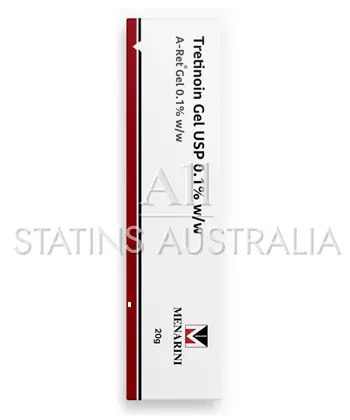
a-ret is a brand name used for a prescription or over‑the‑counter medicine in many markets. In New Zealand, access to this medicine may depend on local rules and the specific product you receive. Your pharmacist or doctor can confirm how it is supplied to you and what it is approved to treat in your case.
This page provides general information about medicines like a-ret. It is not a substitute for personalised advice from a clinician. If you have questions about why this medicine has been prescribed for you, speak with your doctor or pharmacist.
When you receive your medicine, read the product label and the patient information leaflet that accompanies it. If anything is unclear, ask your pharmacist to explain before you start using it. Proper use helps maximise benefit and minimise risk.
The information here focuses on common uses and safety considerations. Individual experiences can vary, and some people may not be suitable candidates for this medicine. If you have liver or kidney problems, or a history of allergic reactions, tell your clinician before starting treatment.
Medicines like a-ret are used under medical supervision to treat various health conditions. The exact indications depend on the product formulation and local approvals. Commonly, similar medicines may be prescribed for skin conditions, certain inflammatory conditions, or other specialised therapies as determined by a clinician.
Your clinician will choose a-ret based on your medical history, current medications, and the condition being treated. It is important to follow their guidance and not to use the medicine for unapproved conditions or at different doses than advised.
The information in the official product leaflet will list the specific indications for the exact product you have. If you need clarification about what condition your medicine targets, ask your pharmacist or doctor for a clear explanation related to your prescription.
If you are using a-ret for a condition that is not responsive to treatment, or if your symptoms worsen, contact your healthcare provider. They can reassess your therapy and consider alternatives if needed.
Medicines in this class generally act by altering biological processes in the body related to cell growth, differentiation, or immune responses. This can help reduce symptoms or slow the progression of a disease in some conditions.
The exact mechanism depends on the active ingredient, the product formulation, and how it is used. Your clinician can explain how a-ret is expected to help in your particular situation and what changes you might look for during treatment.
Because medicines with this mechanism can affect several bodily systems, your healthcare provider may monitor you for specific effects or interactions. Regular follow-up helps ensure the treatment remains appropriate for you.
If you notice new or unusual symptoms after starting a-ret, contact your clinician promptly. Do not assume these effects are harmless, and seek medical advice when in doubt.
Use a-ret exactly as prescribed. Do not change the dose or stop the medicine without talking to your clinician. Sudden changes can reduce effectiveness or increase risks.
Take or apply the medicine as directed. Some formulations are taken by mouth, while others are applied to the skin or used in a specific setting. Follow the dosing schedule and timing provided by your healthcare professional.
Wash hands before and after applying topical products, and avoid contact with eyes, nose, or mouth unless the product is specifically intended for those areas. If contact occurs, rinse thoroughly with water and seek advice if irritation develops.
If you miss a dose or application, refer to the patient information leaflet or contact your pharmacist for guidance. Do not double up unless advised by a clinician. Keep a routine to help you remember to take or use the medicine consistently.
People who are allergic to any ingredient in the product should not use it. Always check the ingredient list on the package or leaflet if you have known allergies.
In some situations, this medicine may not be suitable. For example, during pregnancy or while breastfeeding, or if you have certain medical conditions, your clinician may choose a different treatment. Discuss all health issues with your doctor or pharmacist before starting therapy.
Children and adolescents may have different safety considerations. Your clinician will determine if this medicine is appropriate for younger patients and what monitoring is required.
Never use this medicine if you have not been advised to do so by a healthcare professional. If you are unsure whether it is safe for you, seek guidance from your pharmacist or doctor before starting treatment.
Read the warnings provided with your product carefully. Some medicines can interact with a-ret or cause serious side effects in certain people. Do not ignore warnings about ingredients, storage, or administration method.
Be mindful of sun exposure. Some medicines can increase sensitivity to sunlight, so apply sun protection and limit intense sun exposure as advised by your clinician.
Tell your clinician about all medicines you take, including vitamins, supplements, and herbal products. Some substances can interact with a-ret and change how well it works or increase adverse effects.
If you have any liver or kidney disease, or a history of skin reactions, your clinician may adjust how you use the medicine or monitor you more closely. Follow their instructions precisely and report any unexpected symptoms promptly.
All medicines can cause side effects. Some may be common but mild, while others can be more serious. Your clinician will explain what to expect and when to seek help.
Common or expected reactions might include local irritation, redness, dryness, or transient warmth where the medicine is used. For oral medicines, you might notice mild stomach upset or headache in some cases.
Serious side effects require urgent medical attention. If you experience severe allergic reactions, difficulty breathing, swelling of the face or throat, severe skin reactions, or symptoms suggesting organ issues, contact a healthcare professional or seek urgent care as directed by local guidelines.
If you are uncertain whether a side effect you have is related to a-ret, discuss it with your pharmacist or doctor. They can advise on management or whether a change in therapy is needed.
Some medicines can interact with a-ret and alter how well it works or increase the risk of adverse effects. Always tell your clinician about all medicines you are taking, including over‑the‑counter products and herbal supplements.
Common interaction concerns include other medicines that affect the same body systems, medicines that can increase bleeding risk, or those that change how your liver handles drugs. Your clinician may adjust doses or recommend alternatives.
Avoid starting new medicines without checking with your healthcare provider first. If you notice changes in how you feel after starting a new drug, contact your clinician promptly.
Keep a current list of all medicines and show it to every pharmacist or doctor you consult. This helps prevent potential interactions and ensures safe therapy.
This medicine may be associated with risks to a developing baby. Do not use if you are pregnant or planning a pregnancy unless explicitly advised by your doctor. If you become pregnant while using this medicine, contact your healthcare provider right away.
Breastfeeding considerations depend on the product and your situation. Discuss with your clinician whether this medicine is suitable during breastfeeding and what alternatives may be available.
Family planning and pregnancy testing guidance may be provided by your healthcare team. Follow their recommendations closely and seek advice if you are unsure about pregnancy status during treatment.
If you may become pregnant during therapy, use effective contraception as recommended by your clinician and the product leaflet. Do not stop or start contraception without talking to your doctor.
Below are common questions people have about medicines like a-ret. Answers are general and should not replace advice from your clinician. If you have a specific question about your treatment, contact your pharmacist or doctor.
How long does it take to notice benefit from this medicine?
Response varies by condition and individual. Some effects may be seen within weeks, while others may take longer. If there is no improvement after an extended period, consult your clinician for advice.
What should I do if I miss a dose or application?
Missing a dose may reduce effectiveness. Do not double up unless advised by your clinician. If you are unsure what to do, contact your pharmacist for tailored guidance based on your regimen.
Can I use other skincare products with a-ret?
Many skincare products can be used alongside this medicine, but some combinations may irritate the skin or affect how the medicine works. Ask your clinician or pharmacist for a product compatibility check before starting new products.
Should I avoid sun exposure while using this medicine?
Some medicines can increase sensitivity to sunlight. If advised, use sunscreen, wear protective clothing, and limit unprotected sun exposure. Check the leaflet for product-specific guidance.
What if I experience skin irritation or redness?
Light irritation or dryness is common with many topical medicines. If irritation is persistent or severe, stop use as advised and contact your clinician for advice on alternatives or adjustments.
Is a-ret safe to use during pregnancy?
This depends on the specific product and timing. Most products in this class have pregnancy cautions. Do not use during pregnancy unless your clinician confirms it is appropriate for you. Seek medical advice if you become pregnant while using the medicine.
Can I drink alcohol while using a-ret?
Alcohol interactions vary by formulation and individual health. Discuss with your clinician whether you should limit or avoid alcohol during treatment because it can affect how the medicine works or increase side effects in some people.
When should I contact a doctor or seek urgent help?
Contact a healthcare professional if you have severe allergic reactions, signs of a serious reaction, worsening symptoms, or new symptoms you cannot explain. In an emergency, seek urgent medical help following local guidelines.
Is a-ret available without a prescription?
In New Zealand, access may depend on local regulations and the specific product. Some formulations may require a prescription; others may be available over the counter. Check with your pharmacist for the exact status of your product.
Official product leaflets and pharmaceutical guidelines relevant to New Zealand practice provide the primary information for medicines like a-ret. Your healthcare professional, pharmacist, and the label on your medicine are the best sources for product-specific details.
Possible reference categories include national health authorities, accredited medical device and drug safety bodies, and professional pharmacist associations. Always prioritise the information supplied with your medicine and the advice given by your clinician.
If you need further clarification, your pharmacist can help interpret the leaflet content and explain how it applies to your dose, route of administration, and condition. For questions about regulations or access in New Zealand, consult your clinician or local pharmacy team.
Remember that product formulations differ. Do not apply or ingest any medicine based on guidance intended for a different product. Always rely on the instructions for the exact product you have.
14–21 days. Free from NZ$351.86 .
5–9 days. NZ$52.78
−10% when paying with cryptocurrency.
−10% on all repeat orders.
All orders are packed in neutral, unbranded boxes with no product name on the outside.